 GPMold
  Product Classification
We help pickleball brands turn product ideas into production-ready tooling with integrated DFM, mold architecture, precision machining and stable validation support.
Fast-read cards + backend-driven technology list help visitors validate fit before they dive into details.
Product Classification
 Mold Configuration
 Mold Material
 Mold Structure
 Cooling System
 Gating System
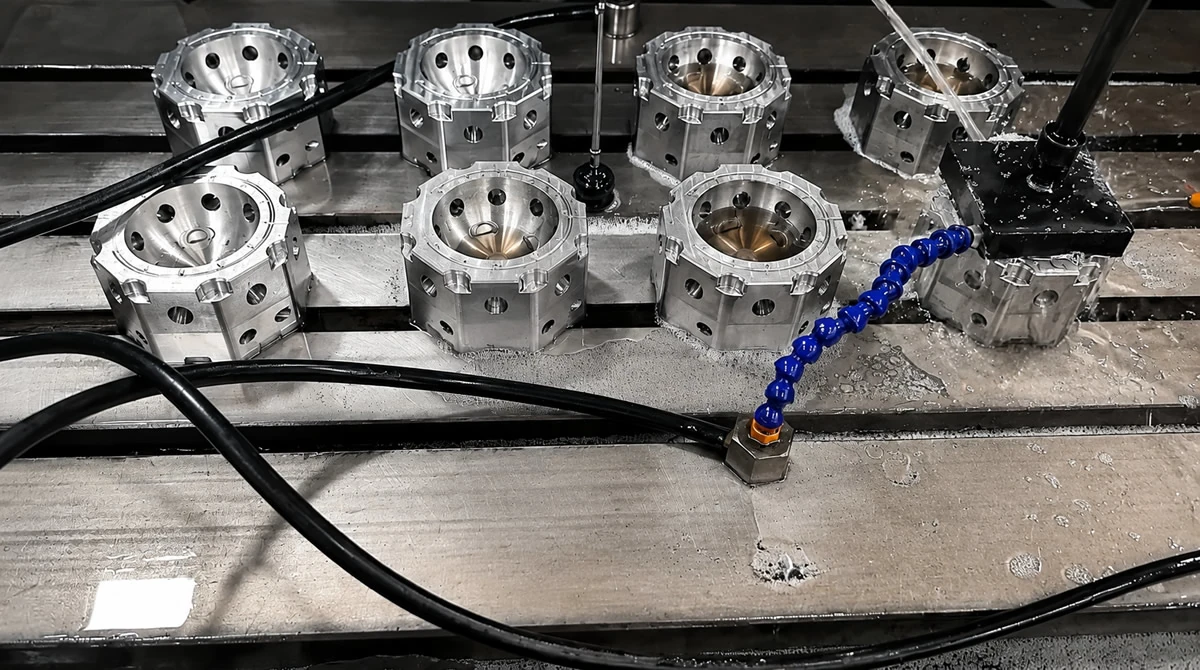
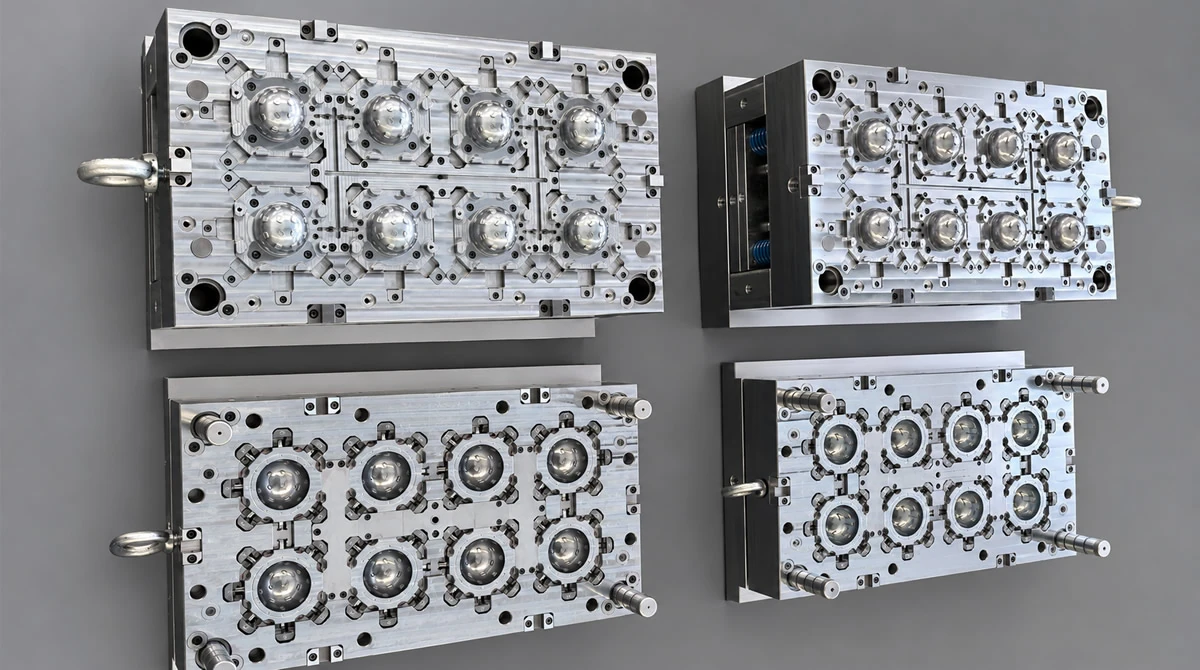
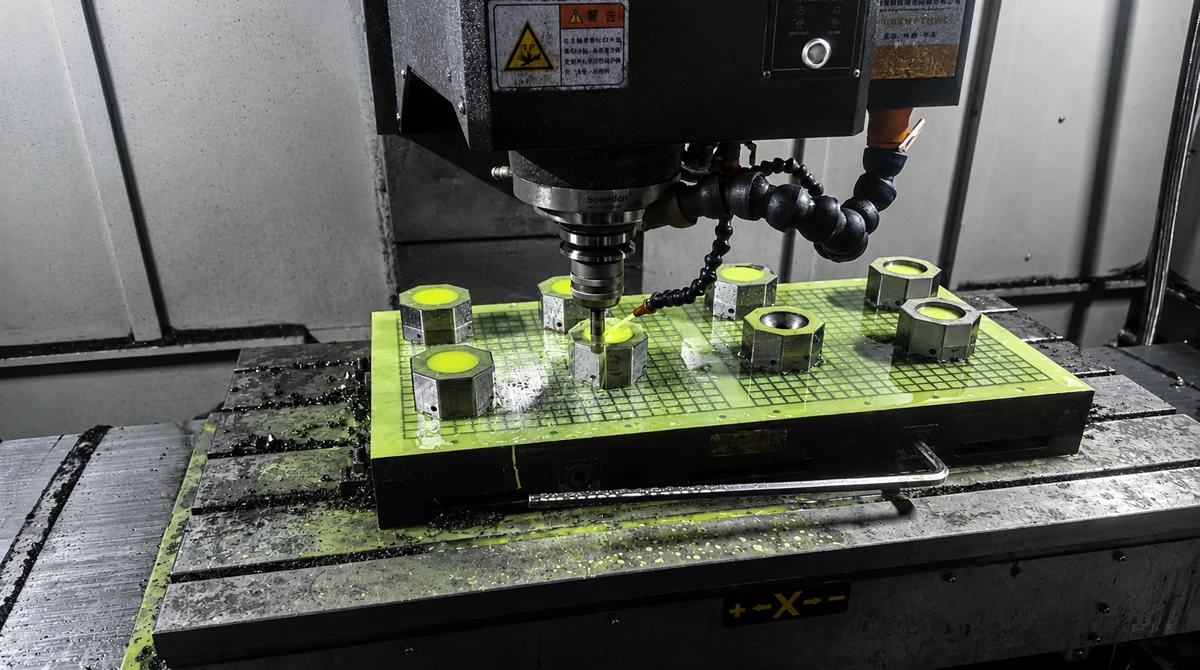
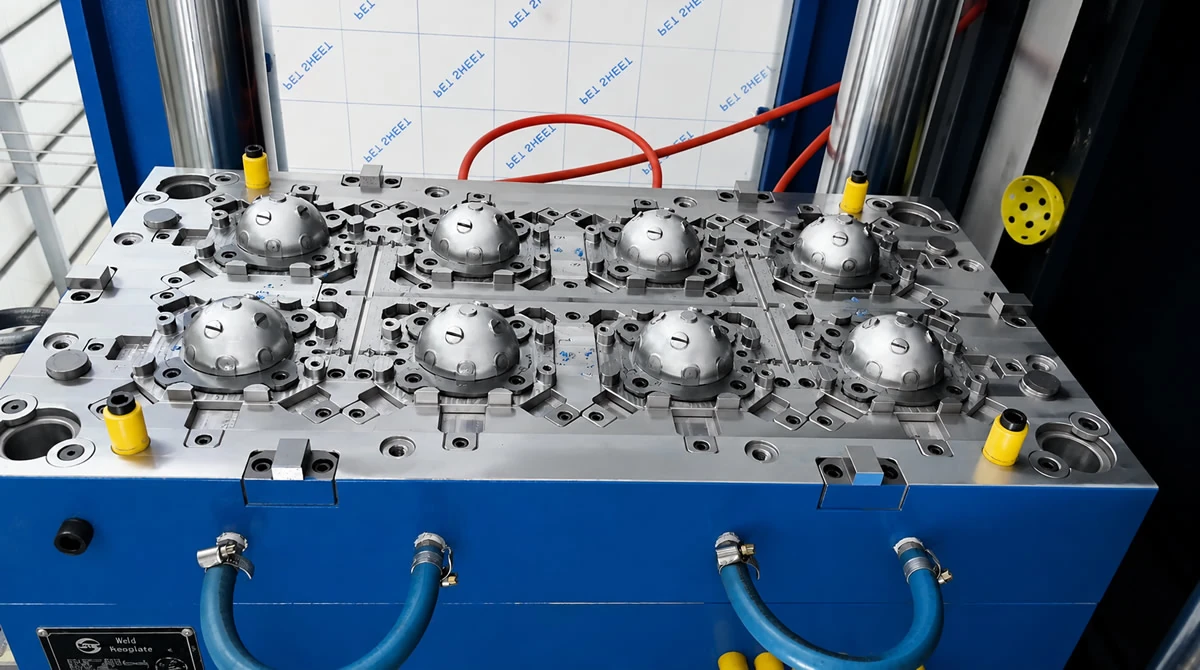
The page now speaks directly to brands looking for a professional partner in pickleball mold product design, development and machining.
Industrial intent, DFM and mold architecture are aligned before steel cutting starts.
Texture, wall balance, edge transition and product surface details are reviewed for both function and appearance.
CNC, EDM, fitting and finishing are organized as one coordinated tooling process.
Sampling, correction and launch preparation help reduce risk before scale production.
This section directly loads enabled technologies from admin, ensuring front-end content stays synchronized with your backend updates.
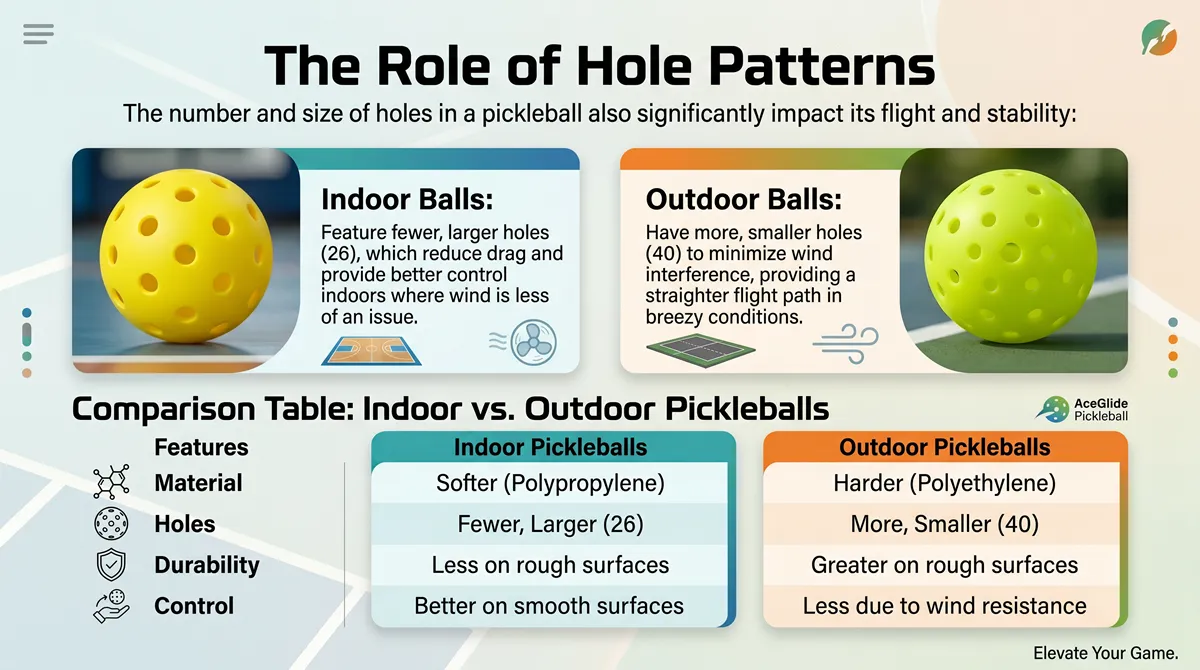
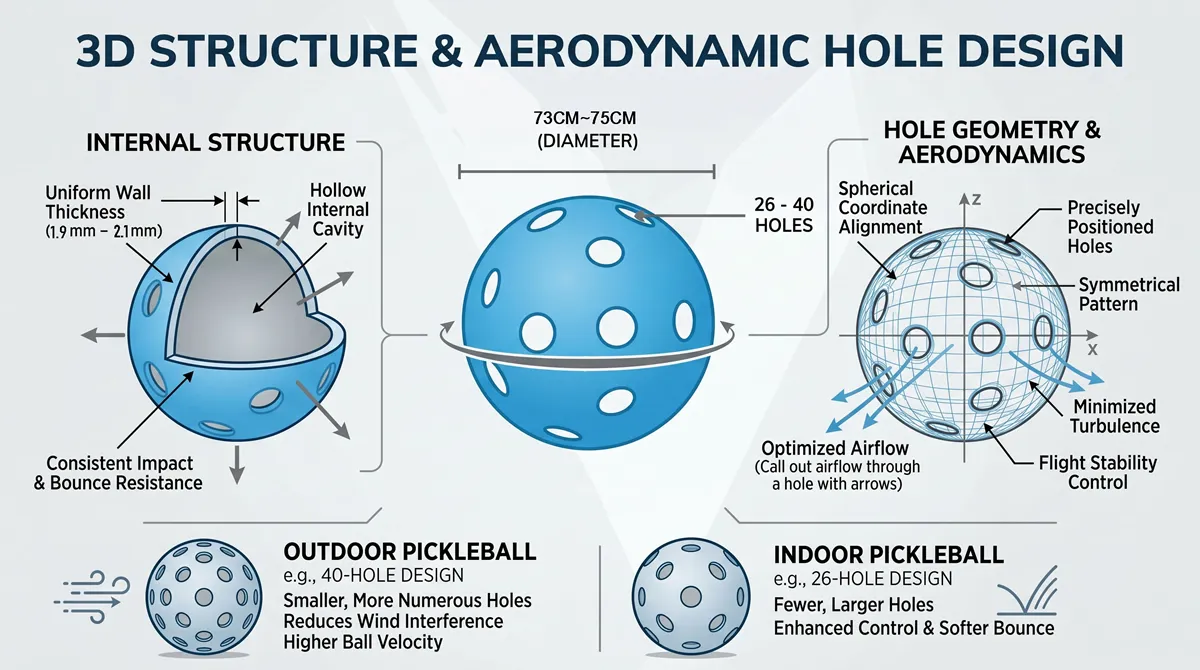
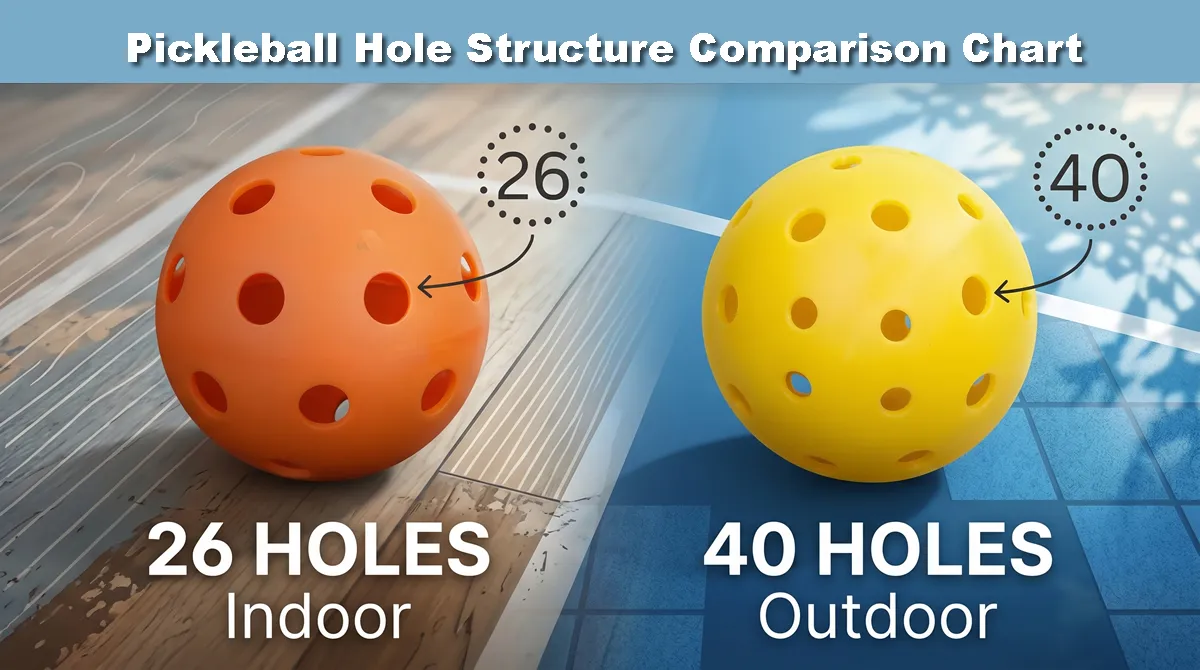
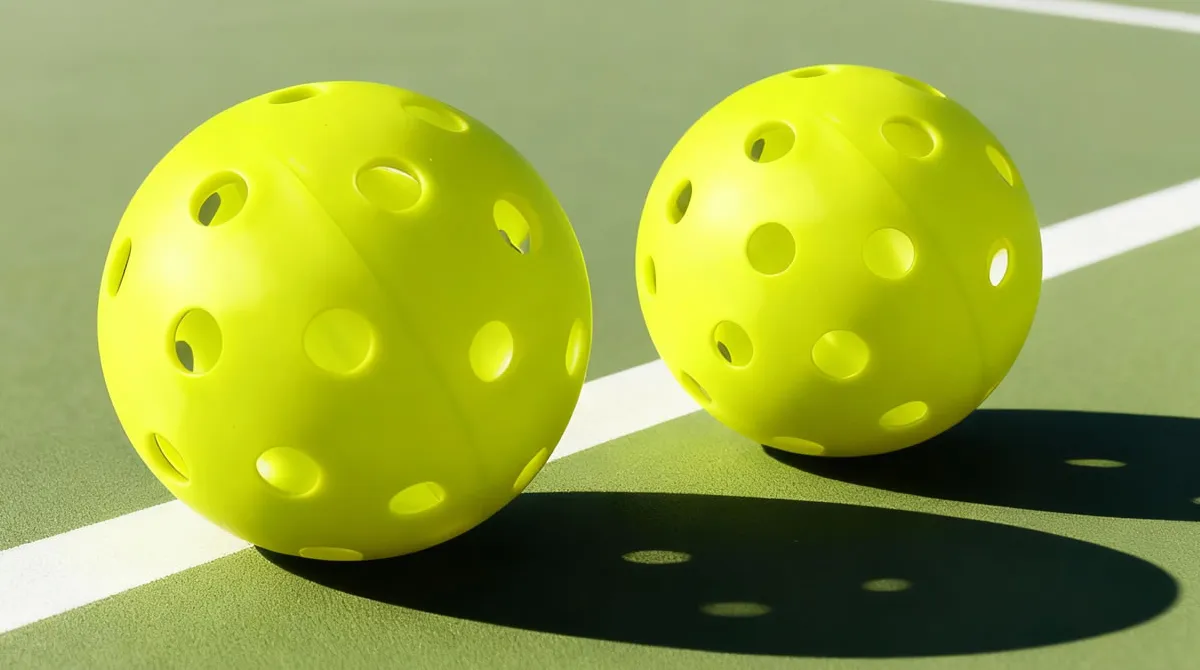
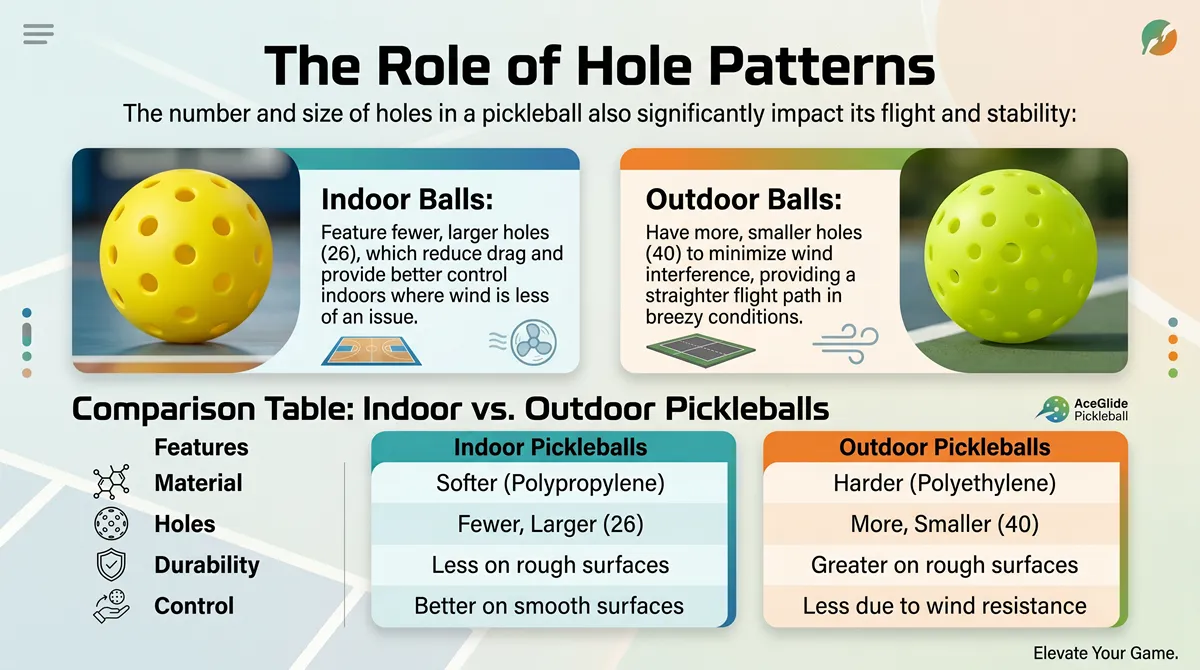
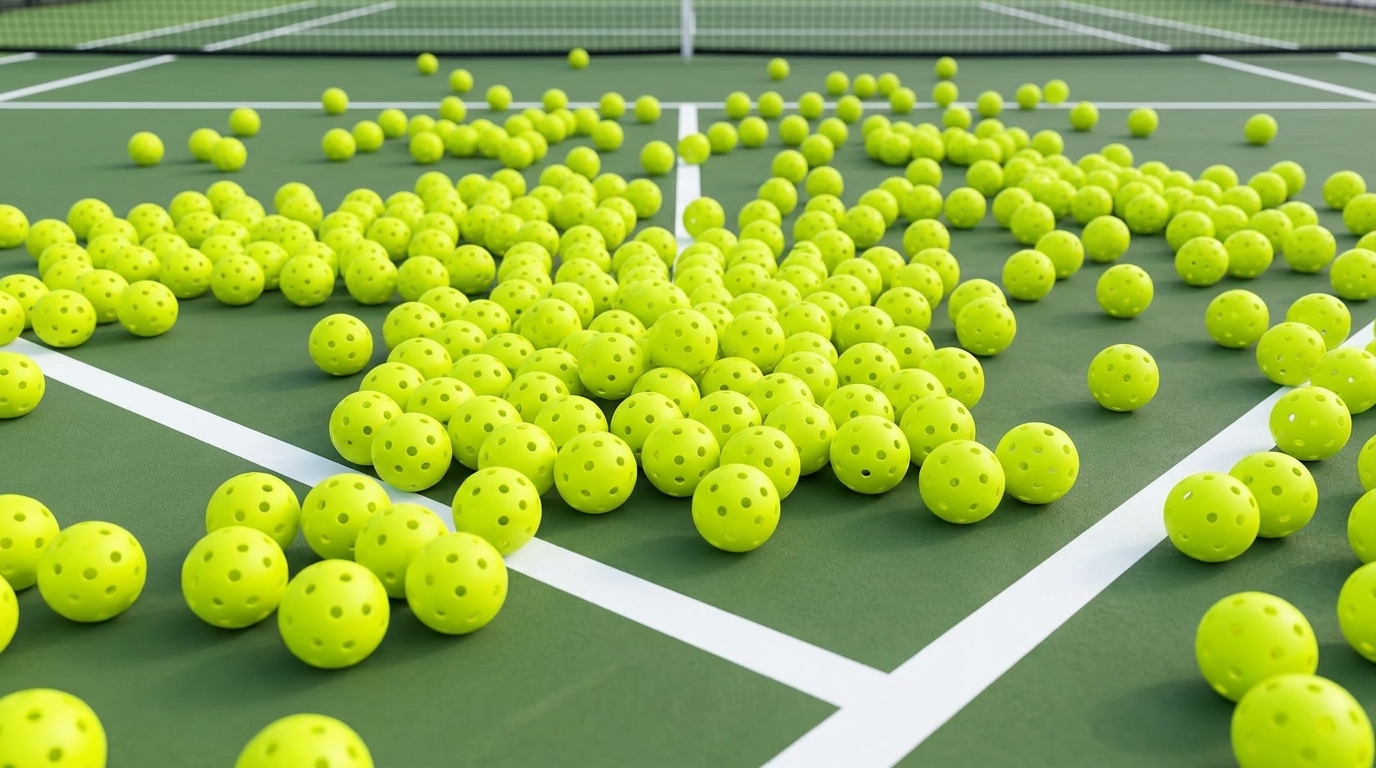
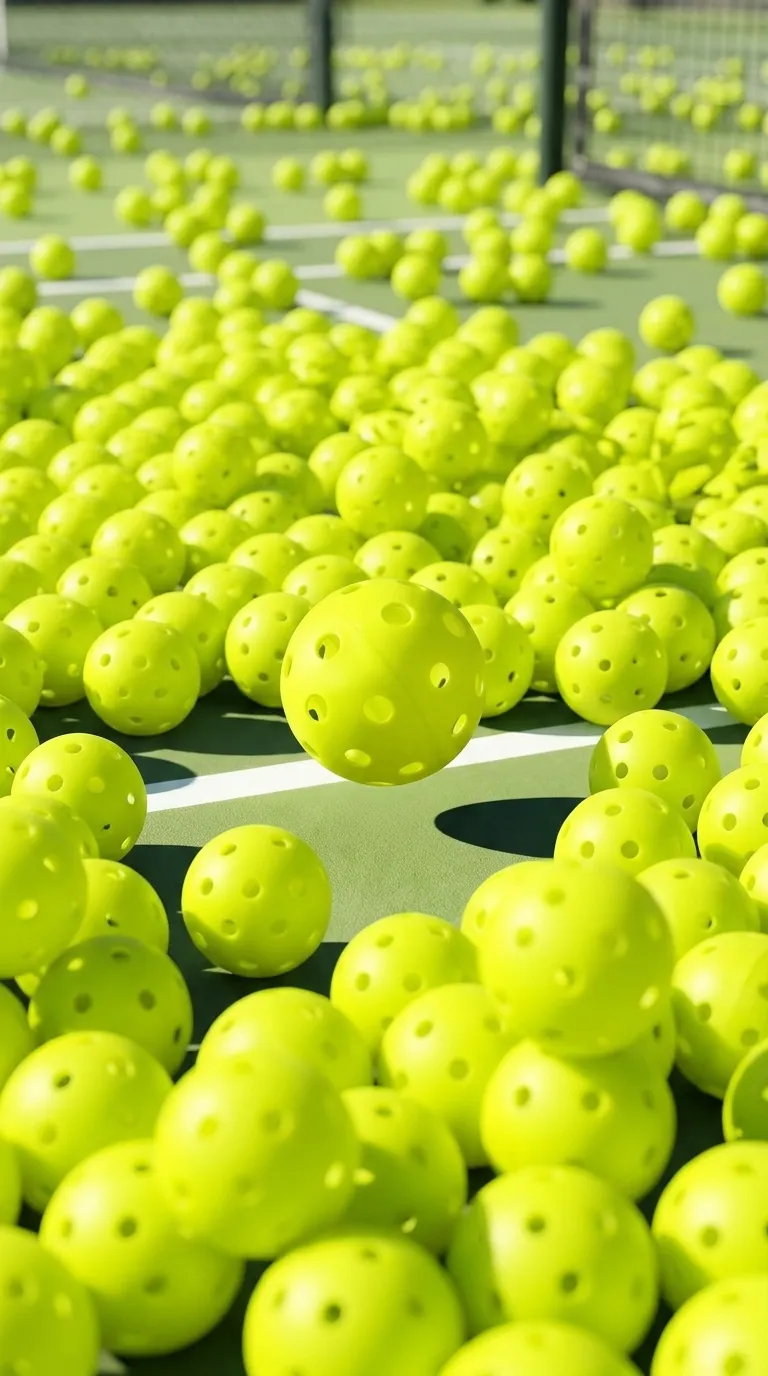
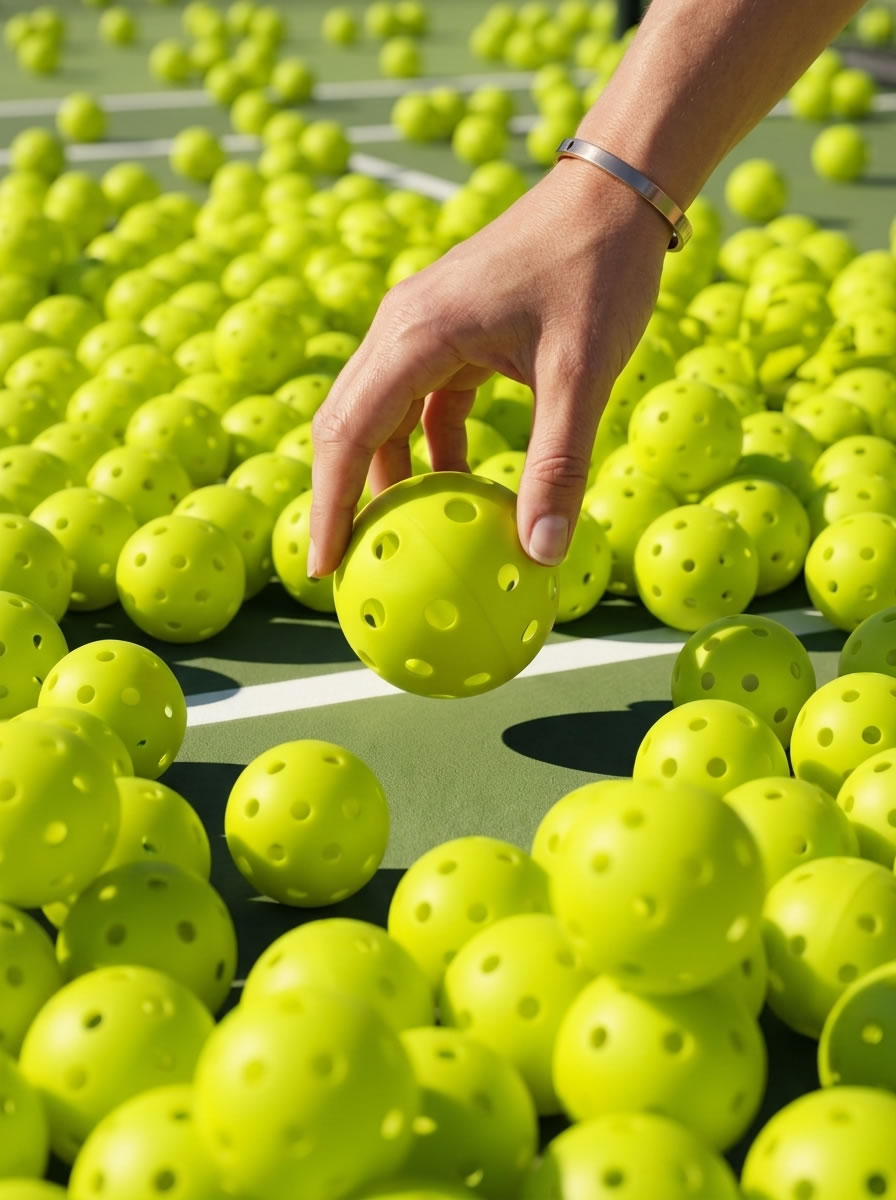
Pickleball balls are categorized into two main types based on usage environment: 26-hole indoor balls and 40-hole outdoor balls. Each type is engineered to meet...
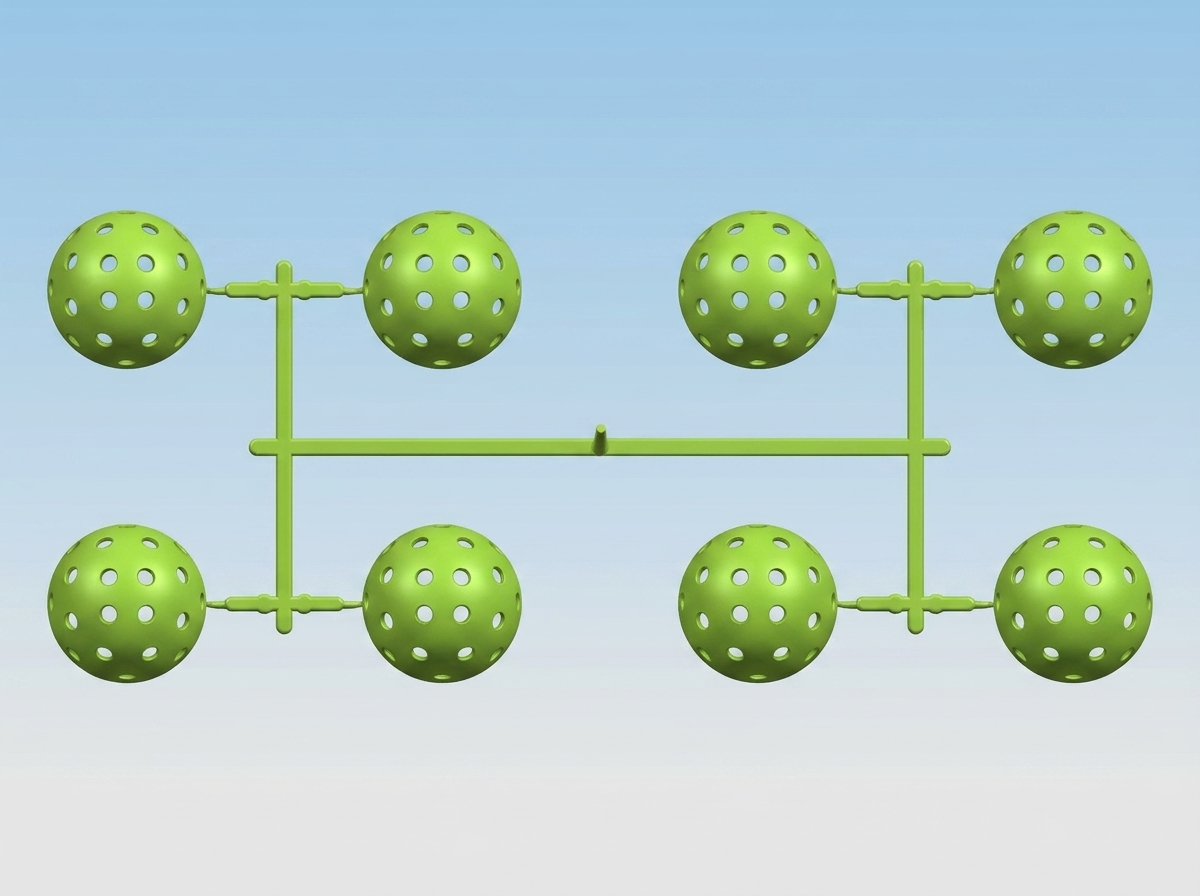
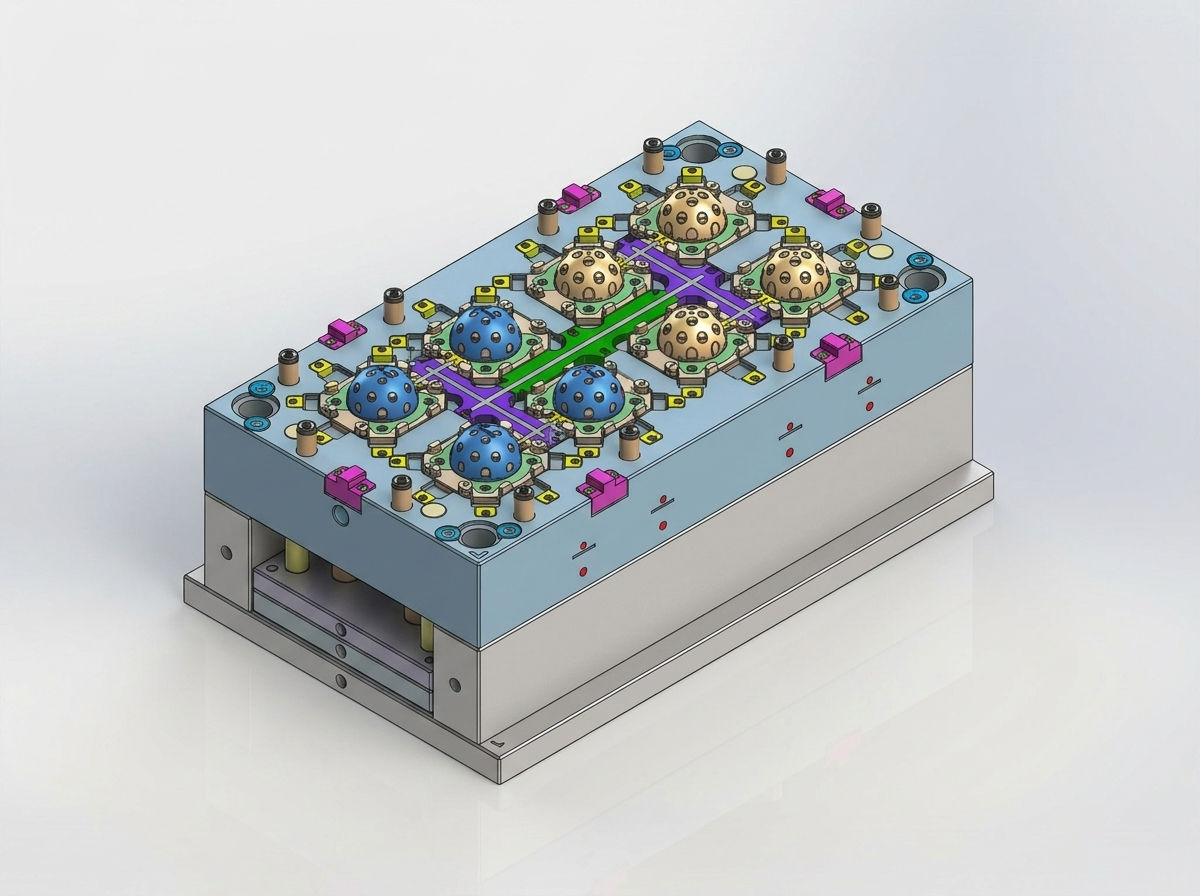
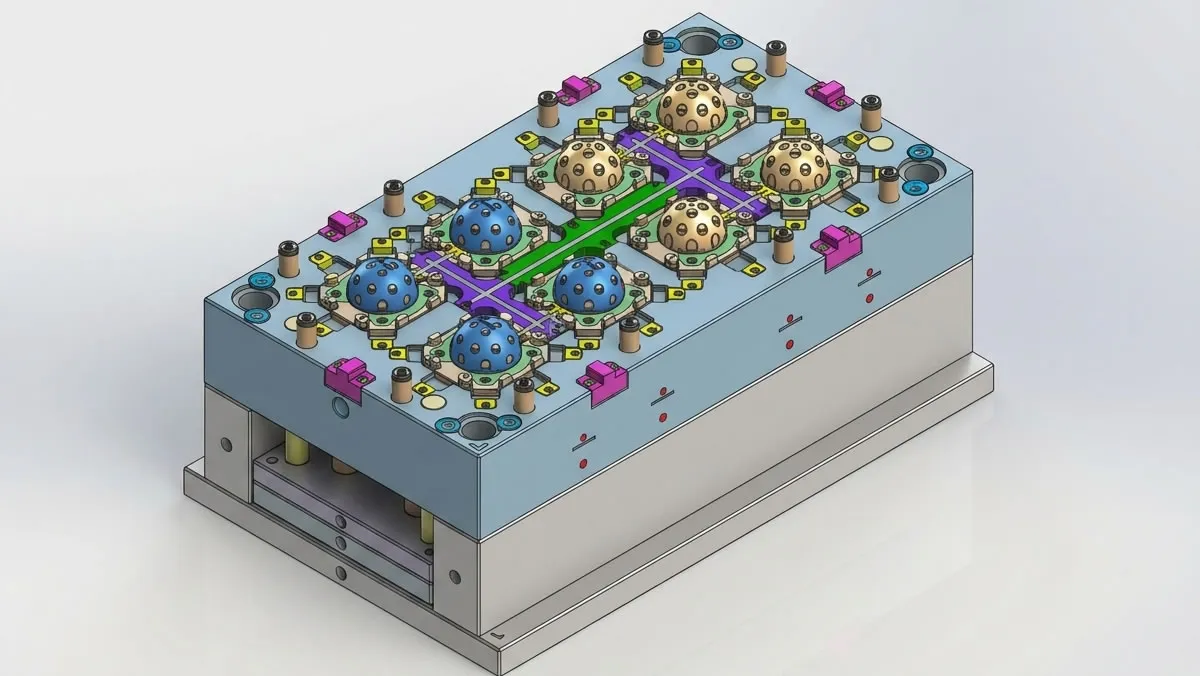
The mold is designed with an 8-cavity configuration for hemispherical production, allowing efficient and high-volume manufacturing. Each mold cycle produces eig...
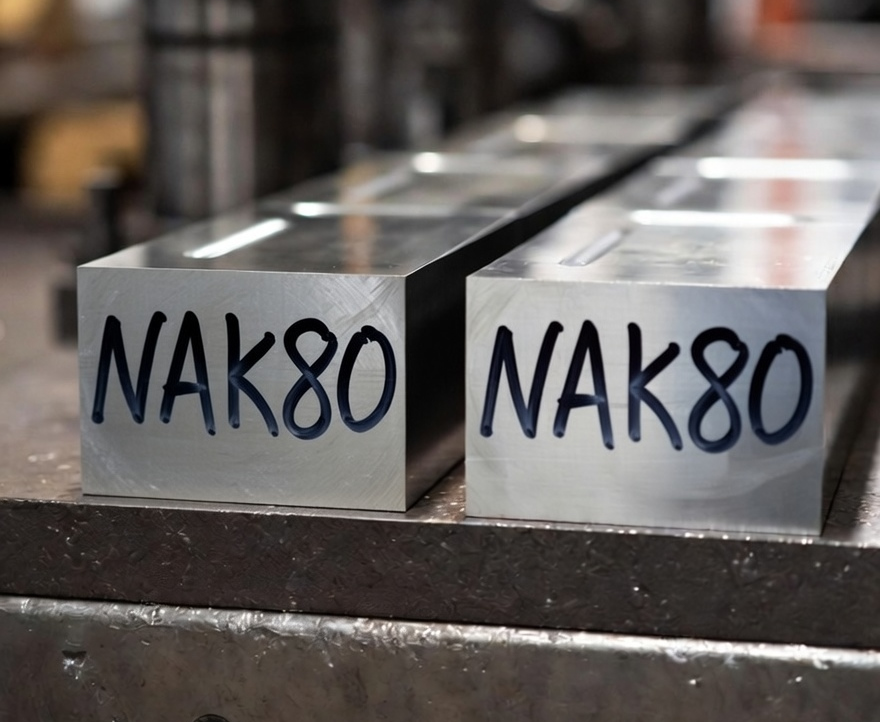
The core and cavity of the mold are manufactured using high-grade NAK80 pre-hardened steel, which offers excellent polishability, dimensional stability, and wea...
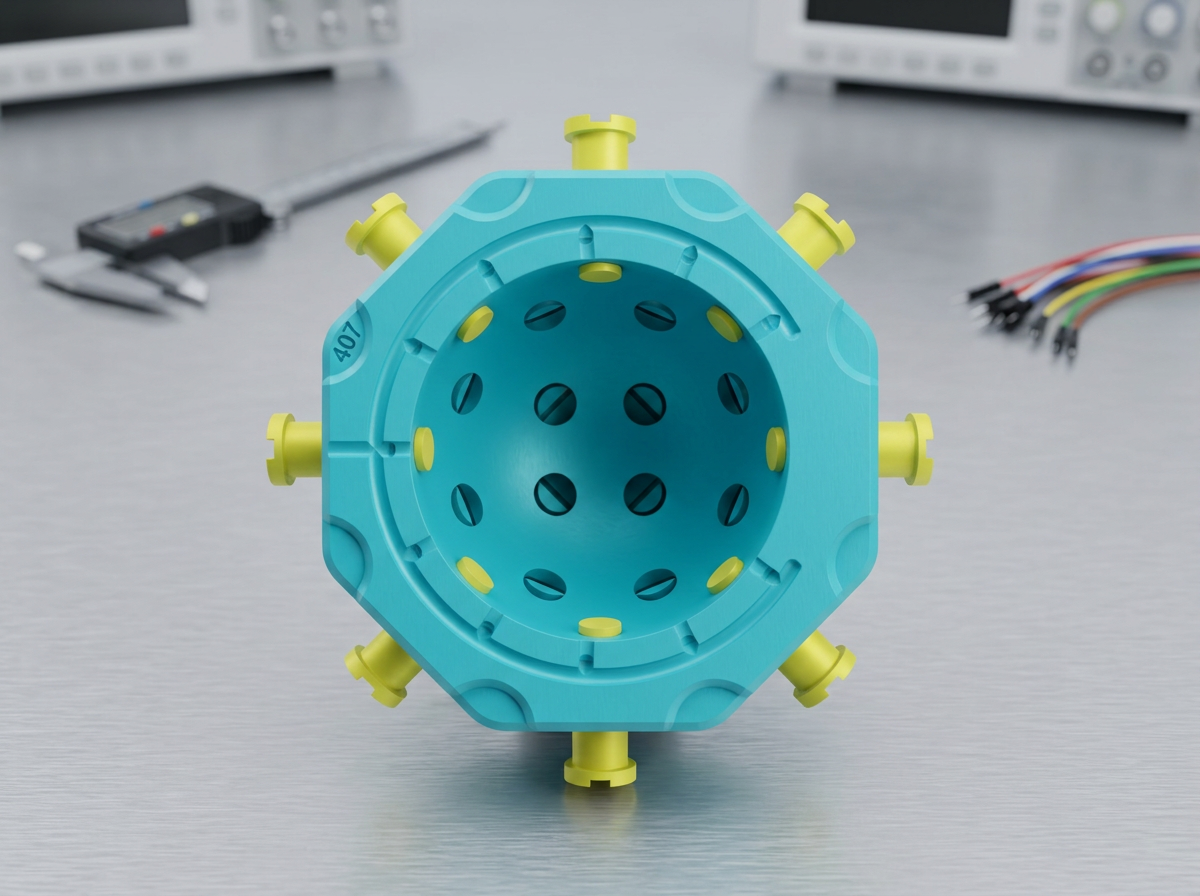
The mold adopts a front-side core-pulling structure, with each cavity equipped with eight individual core-pulling mechanisms. This advanced design ensures that ...
Both the mold core and cavity are equipped with an optimized cooling water system designed to maintain uniform temperature distribution during the injection mol...
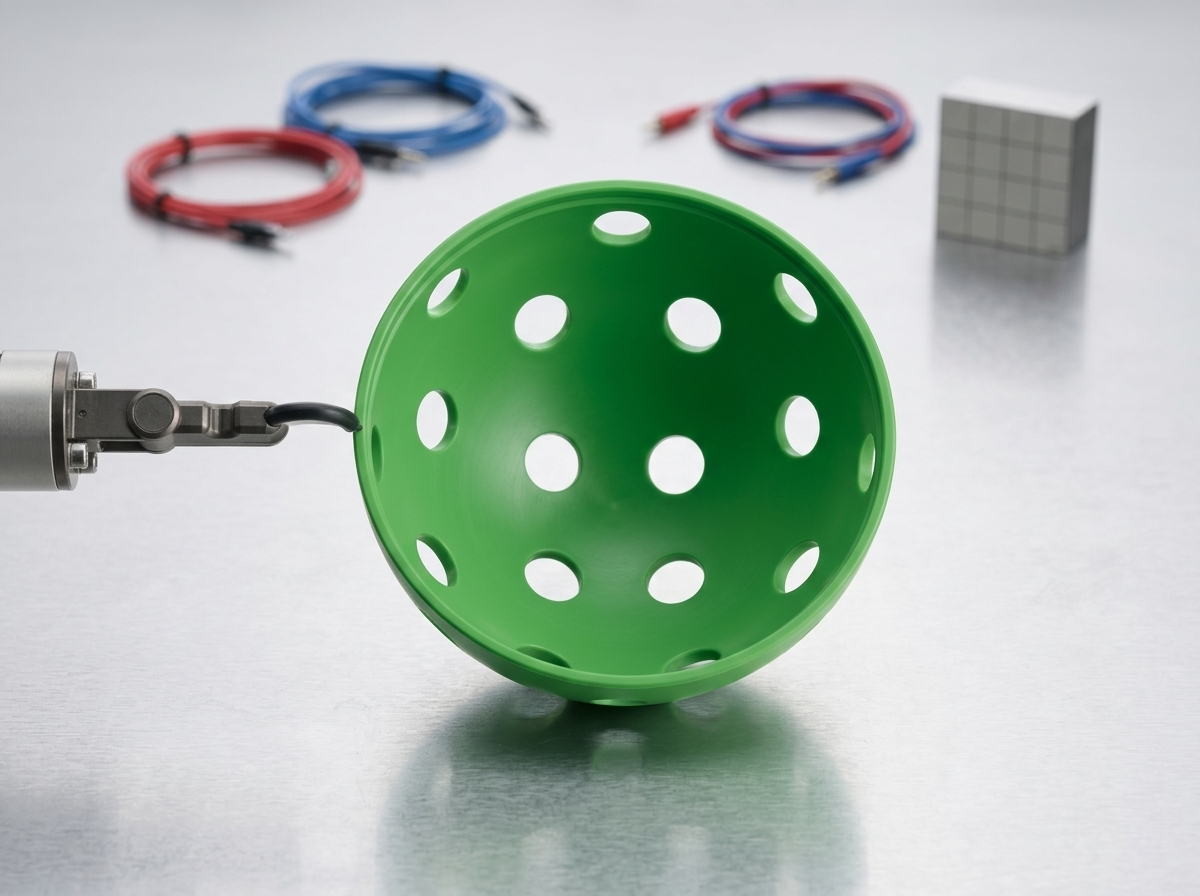
The mold utilizes an independent sub-gate (pinpoint gate) side injection system for each product, ensuring precise and balanced material flow into every cavity....
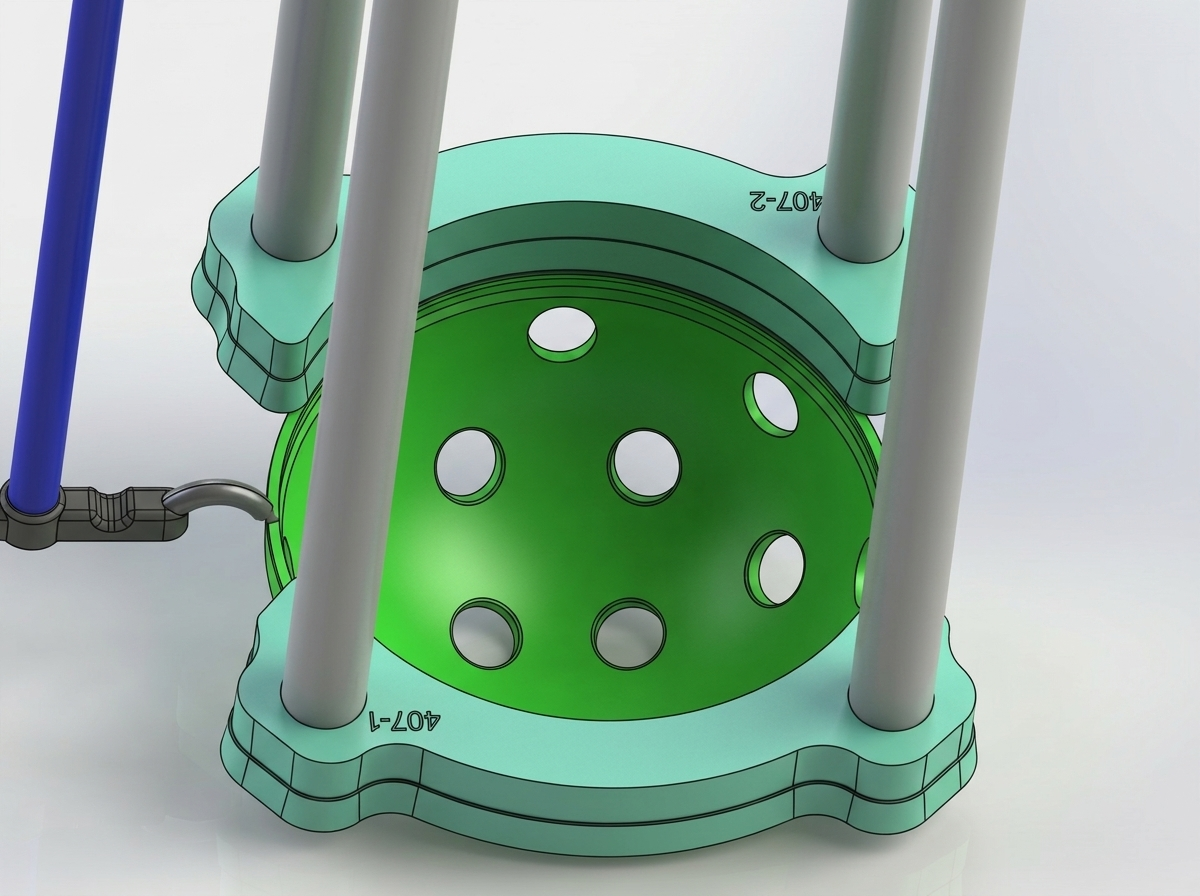
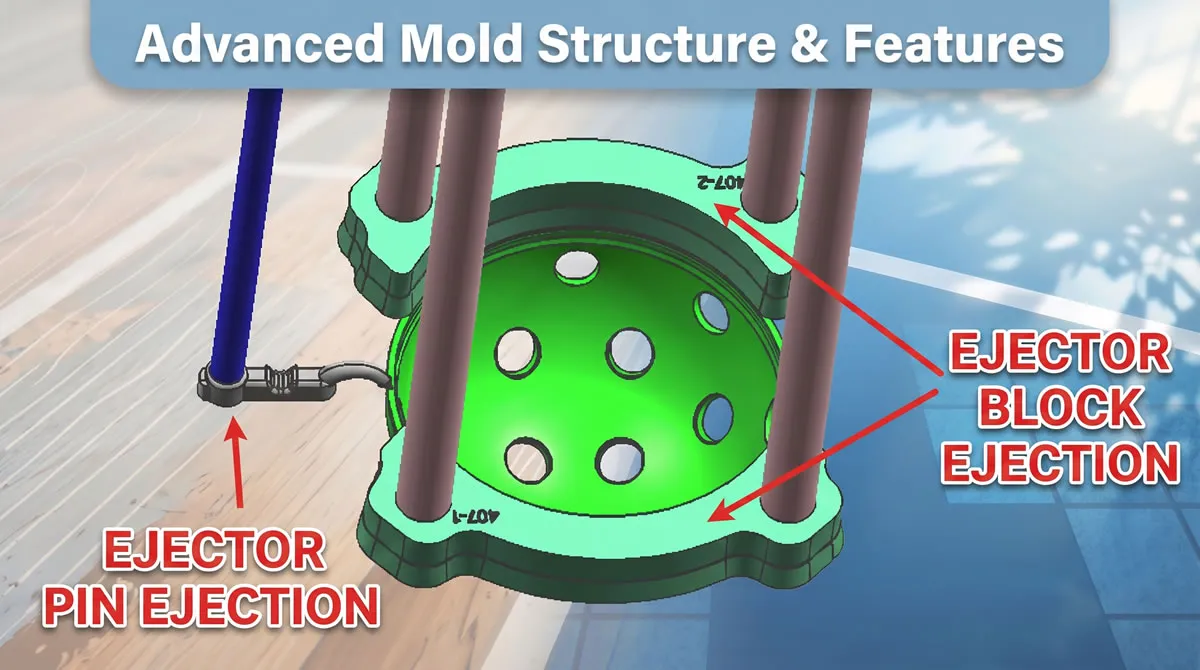
The mold employs a mechanical ejection system to ensure reliable and consistent part removal. The hemispherical components are ejected using push blocks, which ...
The mold is designed for a service life of approximately 500,000 cycles, ensuring long-term production reliability and cost efficiency. The typical production c...
A strong pickleball mold product project is not only about opening a mold. It requires thinking through part geometry, surface expression, molding stability, assembly logic and repeatable dimensional control from the beginning.
Our team approaches pickleball tooling as a complete engineering program. We review the product concept, optimize manufacturability, translate key appearance and structural requirements into tooling details, and support every stage from prototype adjustment to mass-production readiness.
A connected workflow reduces communication loss between design and machining.
Prototype tuning and mold adjustment stay inside the same project rhythm.
We pay attention to the visual and tactile details that shape premium product perception.
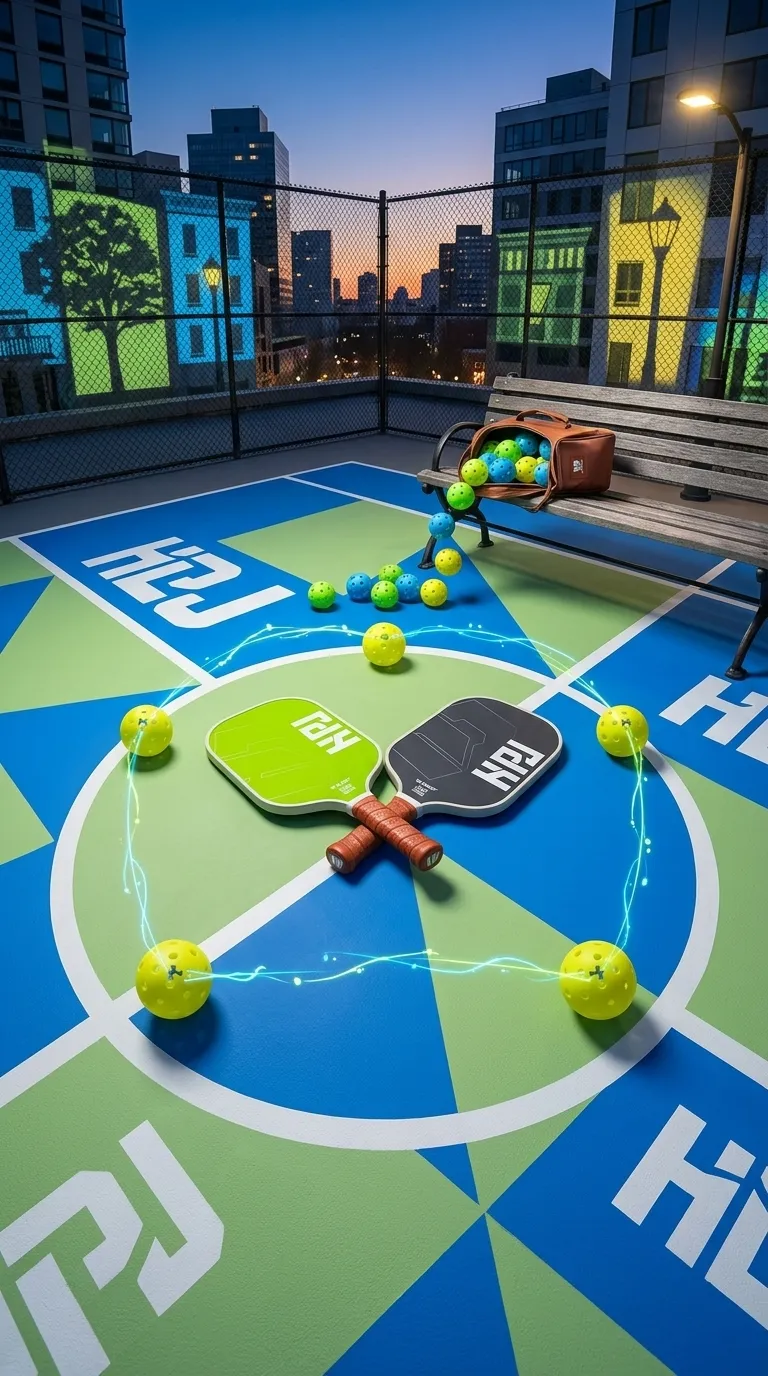
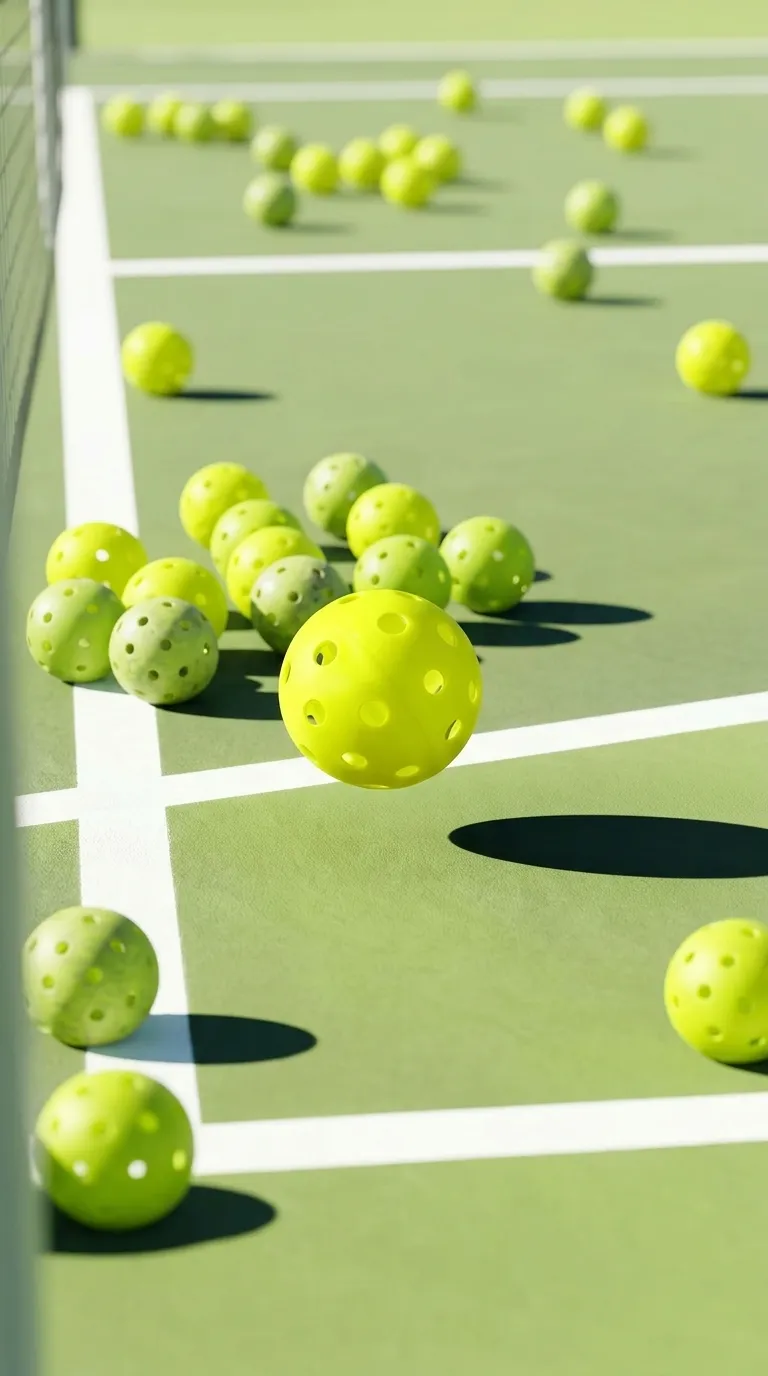
Selected projects that reflect our engineering thinking, mold delivery discipline and product-focused development process.
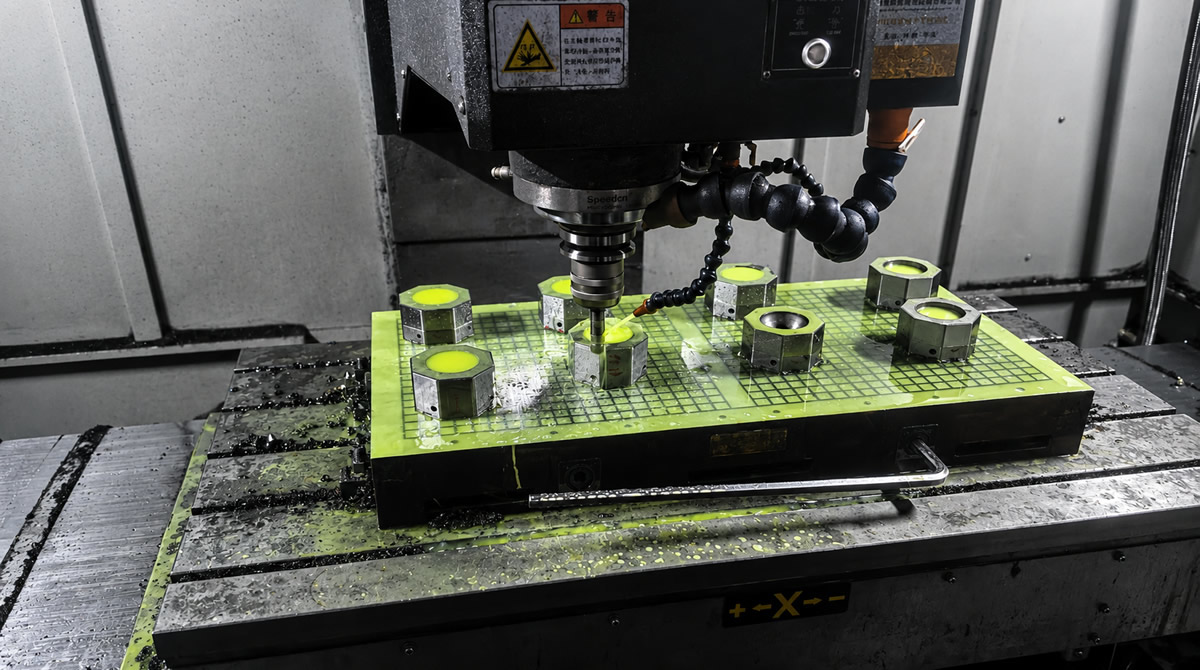
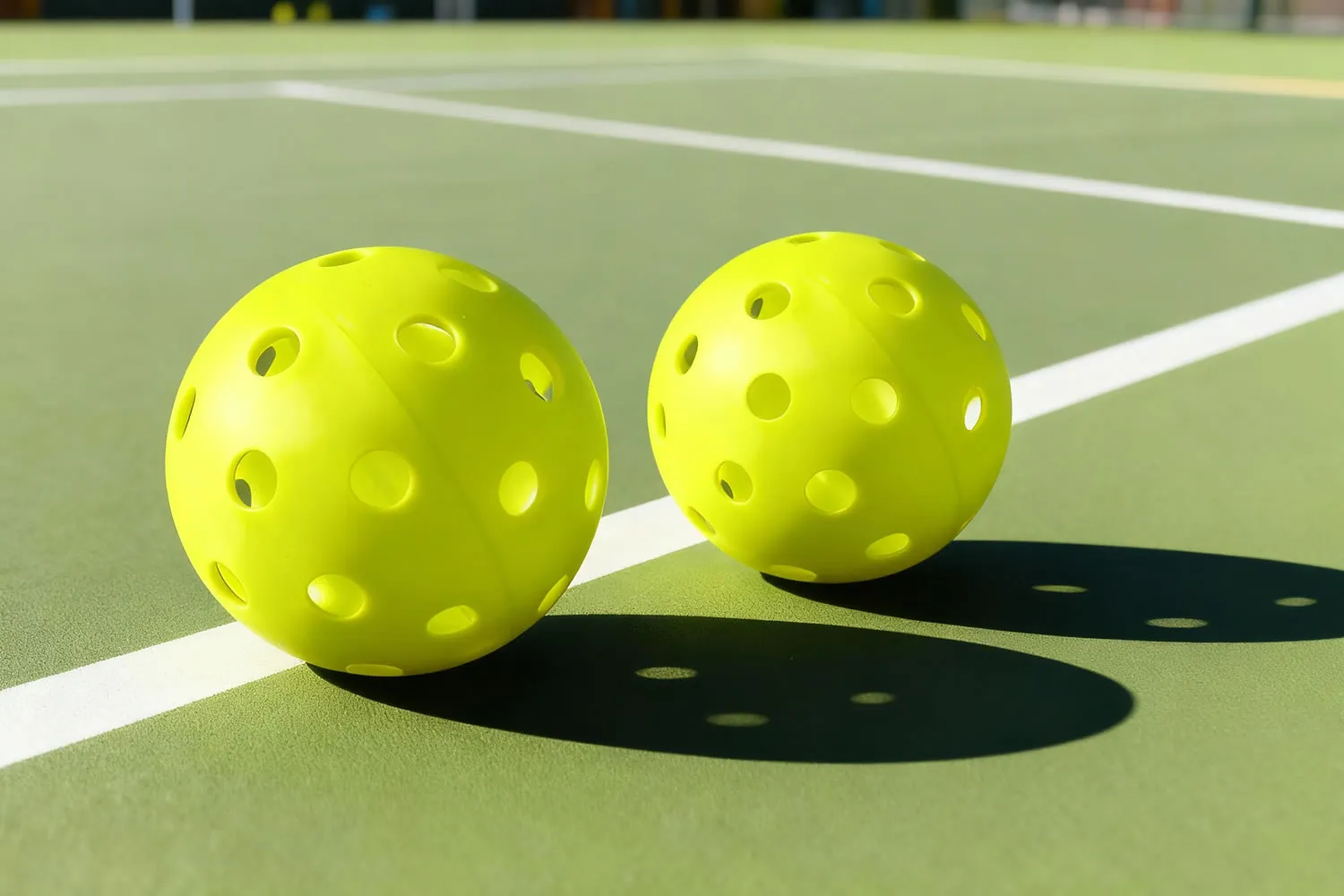
Customers should immediately feel that GPmold understands how pickleball mold products move from concept to mold, machining and dependable production.
We frame the project around the actual needs of pickleball product structure, appearance and production feasibility.
Design review, machining and trial adjustments move faster when handled as one connected tooling program.
A professional mold supplier must communicate capability through machining details, fit quality and process discipline.
Stable tooling and launch preparation help customers move toward repeatable quality and dependable scale-up.
Standardized process to ensure successful project delivery
The customer submits product drawings, 3D models, or functional descriptions. A DFM (Dual Manufacturability Analysis) report (including mold structure, materials, parting line, core pulling, and lifespan assessment) is completed within 48 hours, and the mold type, precision level, expected lifespan, and batch requirements are jointly confirmed.
Senior mold designers output 3D mold assembly drawings and 2D engineering drawings, integrating advanced structures such as conformal cooling, hot runners, and sensor pre-embedded components. Online/offline joint review meetings are held to confirm the final solution and sign a technical agreement.
We can quickly produce 3D printed soft molds or aluminum molds within 72 hours, allowing customers to test the molds to verify the appearance, dimensions, and assemblability. Simultaneously, we optimize the mold design and finalize the 3D file.
CNC programmers create UP machining programs based on the final 3D file, using a self-developed CAM intelligent optimization module for zero-interference toolpath simulation, and push the programs to the CNC and EDM machining areas in real time via an internal high-speed network.
CNC 5-axis machining center: rough and finish milling, drilling and boring, cavity forming; EDM precision electrical discharge machining: microstructure and cemented carbide machining; digital twin platform for real-time monitoring of equipment status, temperature, and vibration to ensure consistency.
Professional fitters complete the final mold assembly and precision calibration. The mold is then tested on the injection molding machine at T0 level, collecting pressure, temperature, and filling data. Based on the trial molding results, fine-tuning or secondary EDM refinement is performed until the sample is 100% qualified.
Mold surface treatment (PVD, DLC coating, etc.) + final inspection report, accompanied by complete 3D/2D drawings + UP program + trial molding parameter package. 12 months of continuous technical support will be provided upon delivery: → Remote digital twin monitoring → On-site optimization or mold modification services → Rapid response for spare parts.
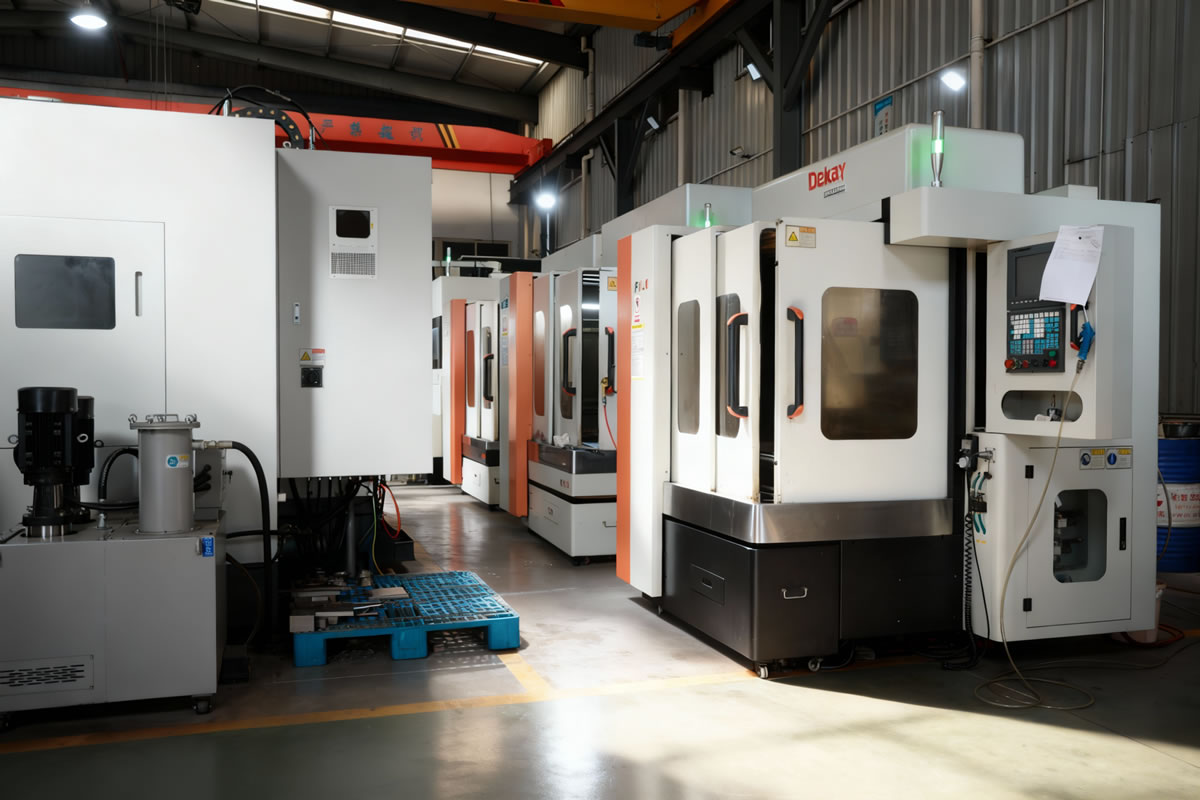
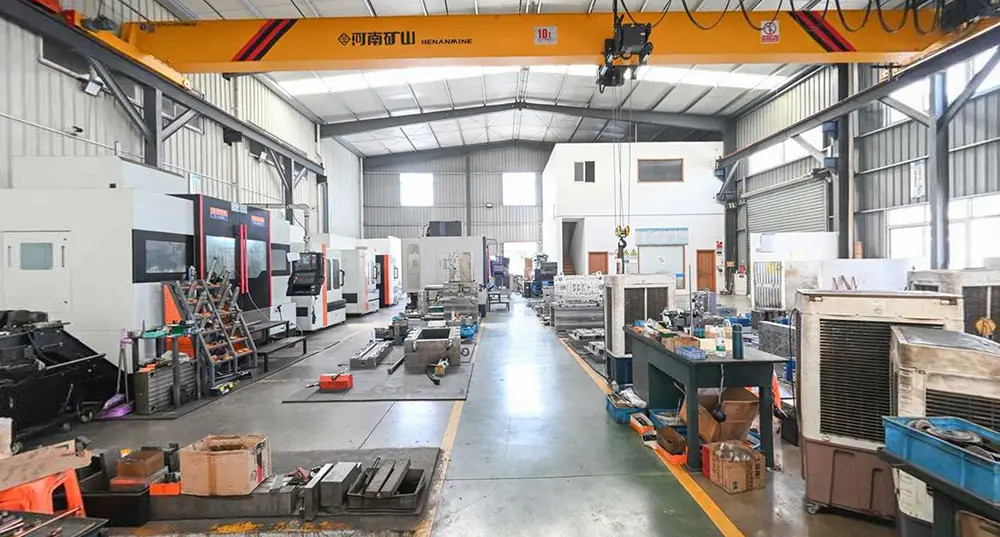
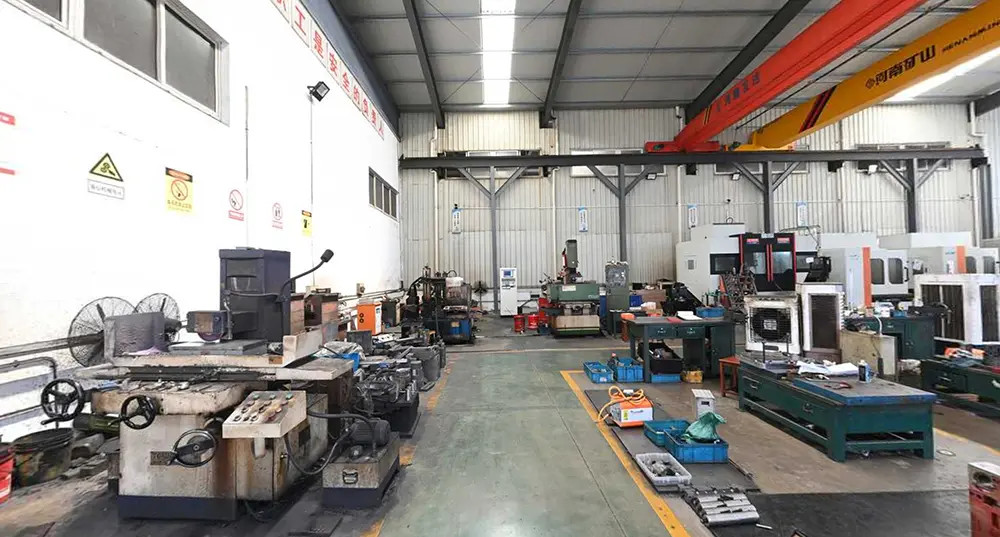
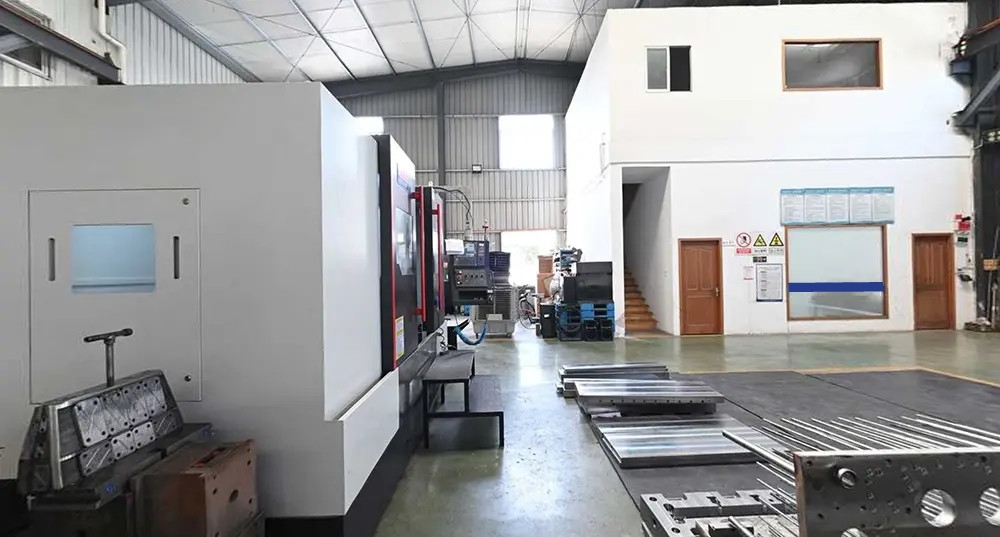
Take a closer look at our precision workshop, machining area and production environment.