A leading manufacturer of pipe fittings faced challenges in product durability and supply chain stability. By collaborating with Ningbo GP Mold Co., Ltd. (hereinafter referred to as GP Mold), they successfully optimized their injection mold design and manufacturing processes, improving the durability of their pipe fittings and stabilizing their supply chain. This project demonstrates GP Mold's expertise in the pipe fittings field, helping the client achieve efficient production and enhanced market competitiveness.

This manufacturer of pipe fittings primarily serves industrial and construction applications, such as drainage systems, pipe connections, and fluid transfer equipment. However, they face a series of challenges in their production and operations: Firstly, product durability needs improvement. The pipe fittings are prone to deformation, cracking, or leakage in high-pressure, high-temperature, or corrosive environments, leading to shortened product lifespan and a failure rate as high as 18%, impacting long-term reliability. Secondly, supply chain stability is a concern. The manufacturer relies on multiple suppliers for mold procurement, resulting in unstable delivery times. Frequent fluctuations in raw material prices further impact production costs, and the overall supply chain faces a high risk of disruption.
Furthermore, design iterations are frequent. Traditional mold designs struggle to quickly adapt to new specifications, such as different branch angles or diameter variations, often leading to extended development cycles and wasted costs. Finally, market competition pressure is continuously increasing. To meet the higher performance requirements of high-end industrial customers, the manufacturer urgently needs to improve its technical capabilities in areas such as precision molding and waterproof sealing, but existing processes are currently insufficient to effectively achieve these goals.
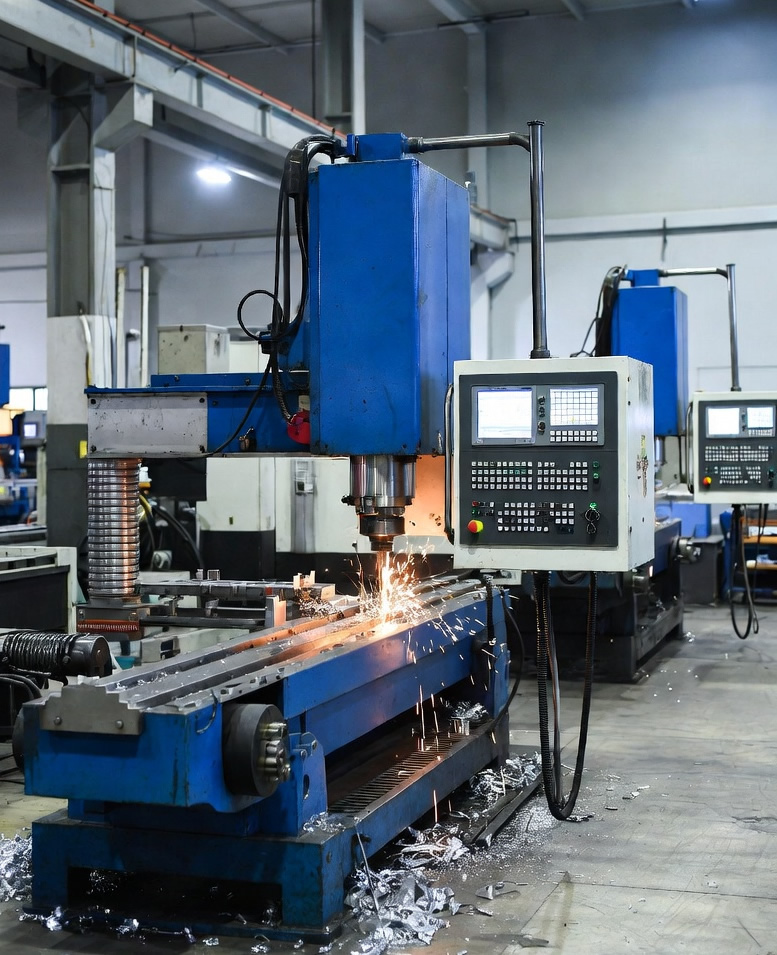
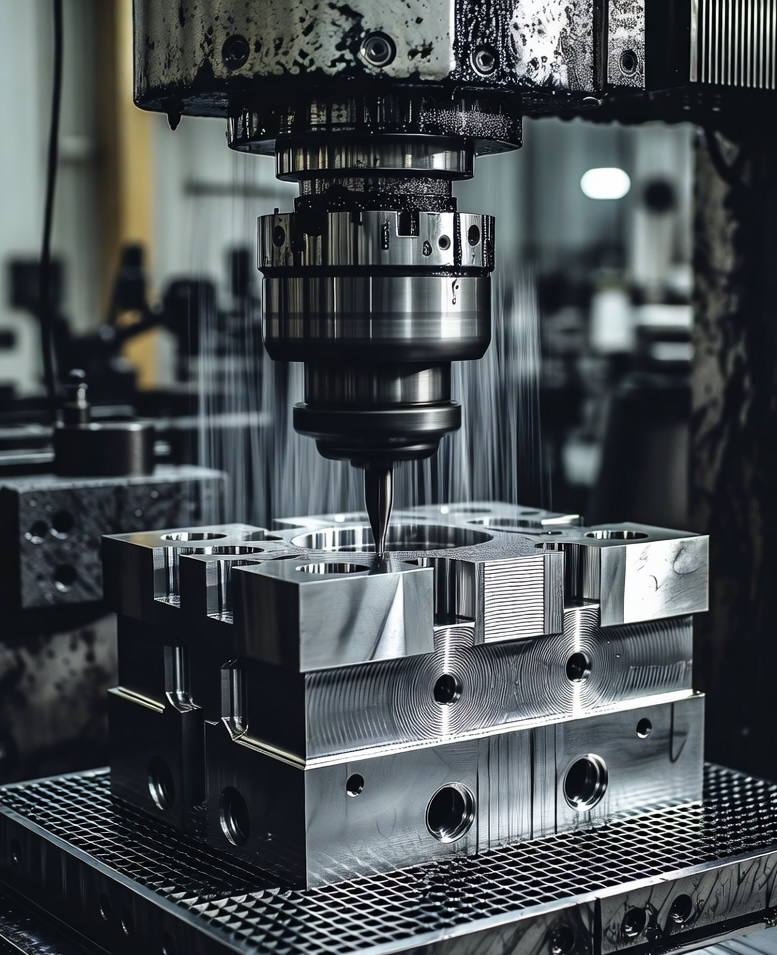
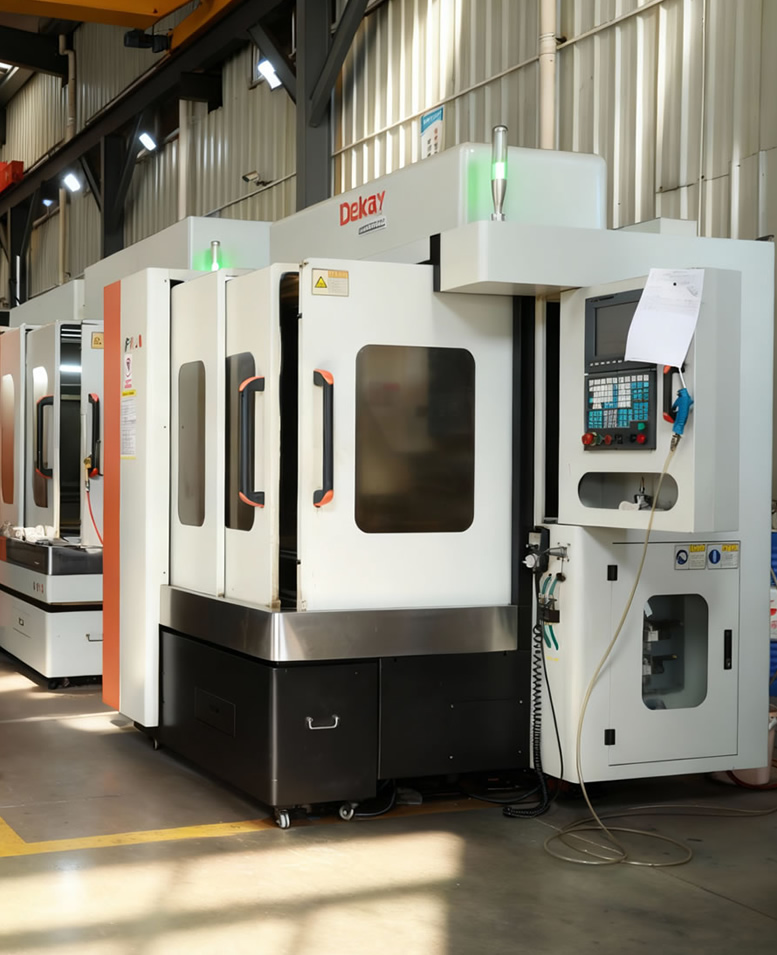
The GP Mold team collaborated closely with clients to provide a complete injection molding solution. The team first dispatched professional technicians for on-site surveys, optimizing the pipe fitting design using 3D modeling and simulation software, and incorporating hot runner and gas-assisted injection molding technologies to ensure uniform mold flow distribution, effectively reducing stress concentration and potential leakage risks. In the manufacturing and processing stages, high-precision molds were quickly produced using CNC precision milling machines and electrical discharge machining (EDM), combined with two-color molding technology to achieve integrated molding of the corrosion-resistant coating and pressure-resistant structure of the fittings. Furthermore, as a one-stop supplier, GP Mold integrated raw material procurement and mold production processes, establishing a stable logistics chain and reducing overall delivery time by 25% by minimizing intermediate steps. The team also provided comprehensive debugging and verification services, using injection molding machines to simulate actual production environments and conducting multi-dimensional durability tests, including pressure tests, corrosion tests, and vibration tests, continuously optimizing mold performance based on test feedback. Simultaneously, through establishing long-term cooperation mechanisms, they provided mold maintenance training and professional technical consulting as after-sales support, helping clients' internal teams improve their independent production capabilities.
Through comprehensive injection molding solutions, this project achieved remarkable success in the production and market of pipe fittings. Specifically, the pipe fittings produced with the new molds showed a 35% increase in compressive strength and a 28% improvement in corrosion resistance. The product failure rate was successfully reduced to below 4%, significantly enhancing product durability and reliability. Simultaneously, supply chain stability improved significantly, with delivery times shortened from an average of 50 days to 35 days, substantially reducing the risk of supply chain disruptions and achieving approximately 18% in production cost savings. In terms of production efficiency, the mold lifespan was extended to over 600,000 cycles, effectively reducing replacement frequency; consequently, the client's annual output increased by 25%, further expanding their market share. The client highly recognized the achievements of this project, establishing a long-term partnership and laying a solid foundation for the collaborative development of future new products. Overall, this project helped the client stand out in the highly competitive pipe fittings market and strongly promoted the achievement of their sustainable development goals.
Through our efforts, the project achieved significant results
Other cases you might be interested in
Ningbo GP Mold Co., Ltd., established in 2010, is located in Zhenhai District, N...
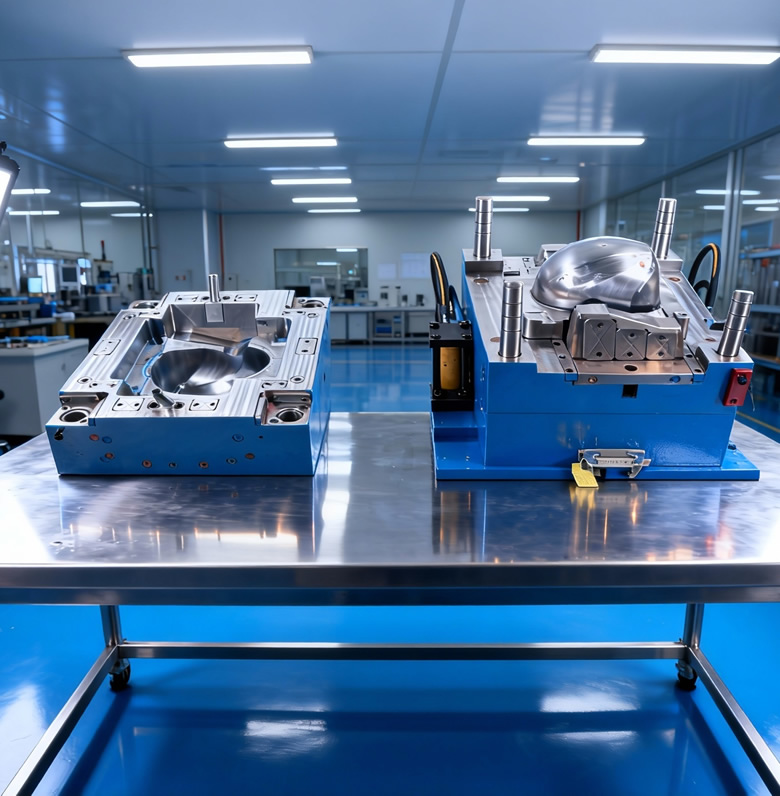
This project focuses on the core plastic components of motorcycle helmets, speci...
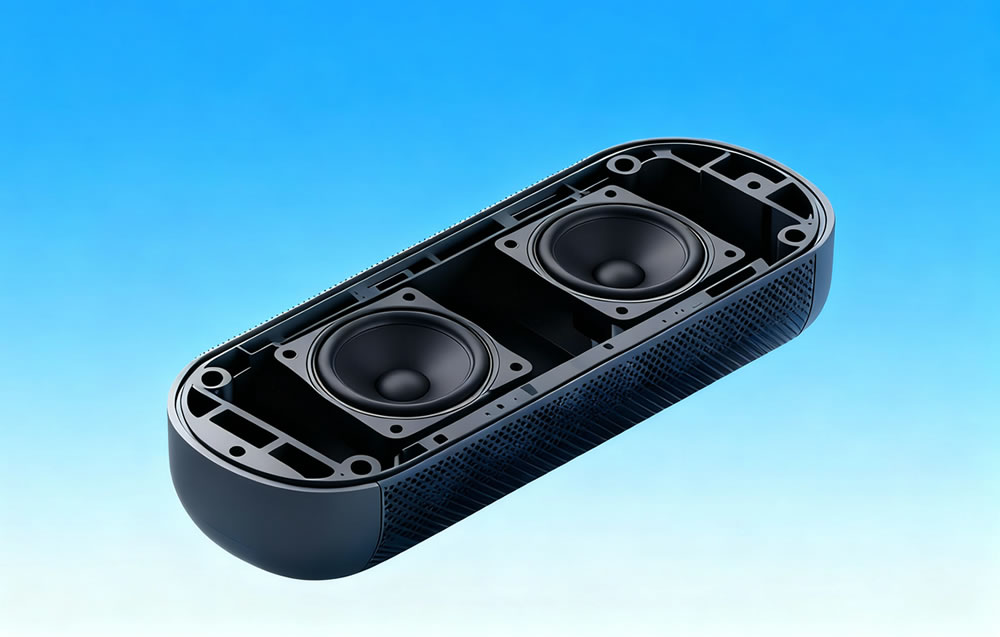
Ningbo GP Mold Co., Ltd., established in 2010, is located in Zhenhai District, N...
 GPmold