This client is an automotive parts company specializing in the research, development, and manufacturing of motorcycle helmets. Their product range includes urban commuter helmets, sports helmets, and some export models. As market demands for helmet safety performance, aesthetic quality, and brand consistency have increased, the client has gradually encountered problems during the mass production of helmet shell injection molded parts, including insufficient mold stability, poor appearance consistency, and short mold lifespan. To ensure long-term stable product supply and meet higher quality requirements, the client chose to collaborate with Ningbo GP Mold Co., Ltd. (GP Mold) to systematically optimize and redevelop the molds for helmet shells and related structural components.
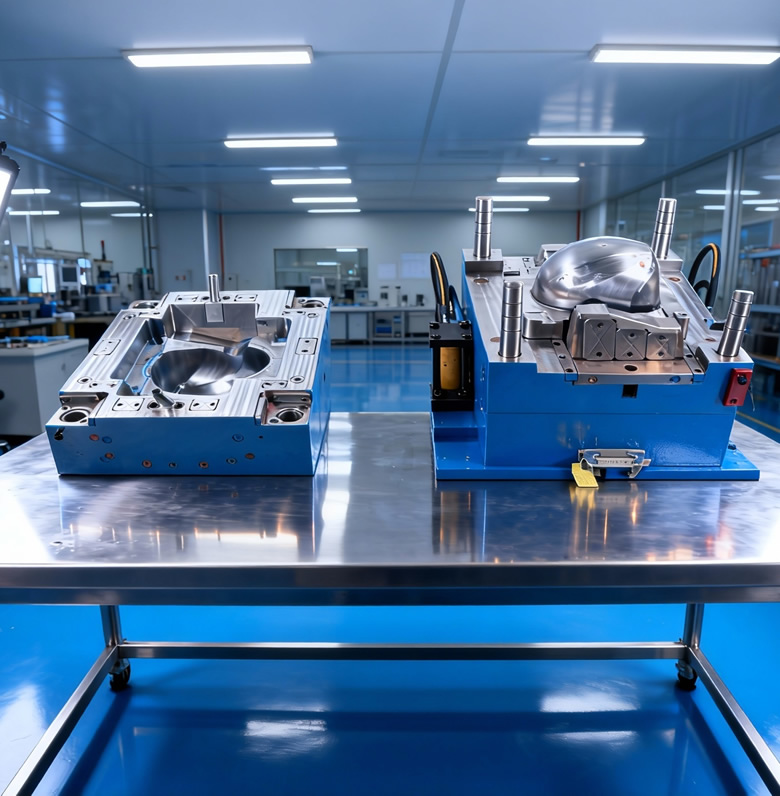
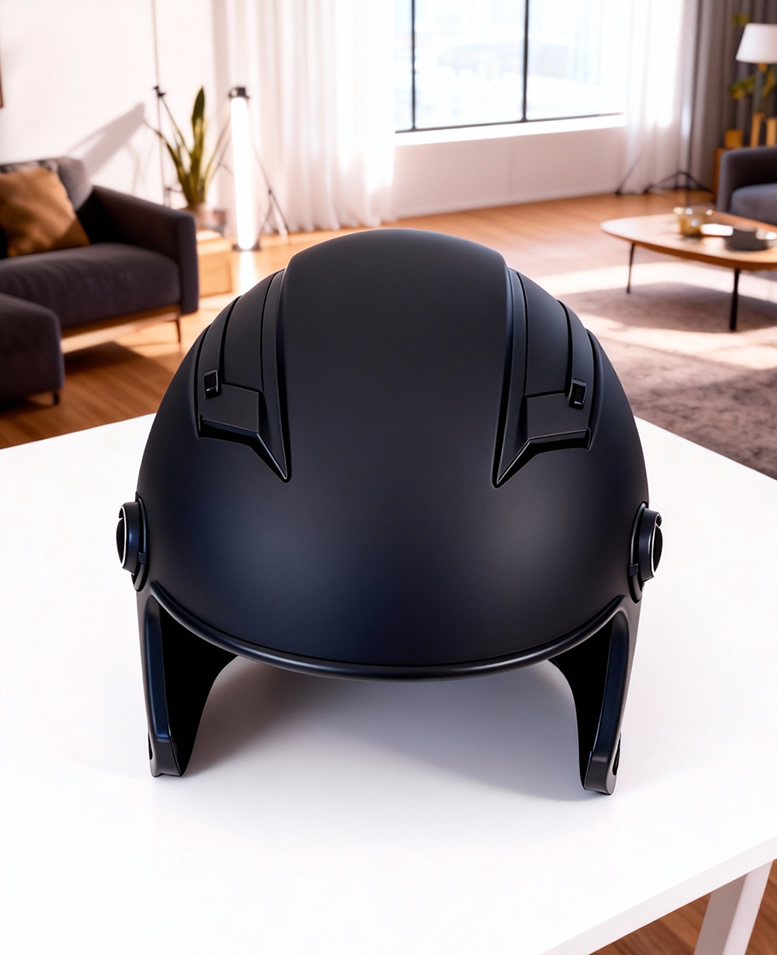
This project focuses on the core plastic components of motorcycle helmets, including the helmet shell (large, thin-walled part), internal structural support components, and functional holes and assembly structures. The helmet shell is not only an aesthetic component but also a critical safety structure, requiring high standards for wall thickness uniformity, structural strength, surface quality, and dimensional stability. GP Mold undertook the complete project, from initial engineering assessment to mold manufacturing and mass production validation.In the early stages of the project, GP Mold conducted a comprehensive assessment of the client's existing molds and products, identifying the following key challenges: Firstly, uneven wall thickness of the helmet shell resulted in insufficient local strength. As a large, thin-walled structure, the shell experienced uneven filling and stress concentration during mass production, directly affecting its impact resistance. Secondly, consistent appearance was difficult to control. The shell surface was prone to flow marks and prominent weld lines, affecting not only the uniformity of the brand's appearance but also increasing the risk of rework and scrap. Thirdly, the mold life and stability were insufficient. The original molds wore out quickly during continuous production, leading to gradual deviations in the dimensions of critical molding areas, making it difficult to guarantee consistency in long-term mass production. Finally, extremely high dimensional stability was required for assembly. The helmet shell needed to be precisely assembled with the liner and other components, and strict tolerance requirements meant that any dimensional fluctuations could directly affect assembly efficiency and the quality of the final product.
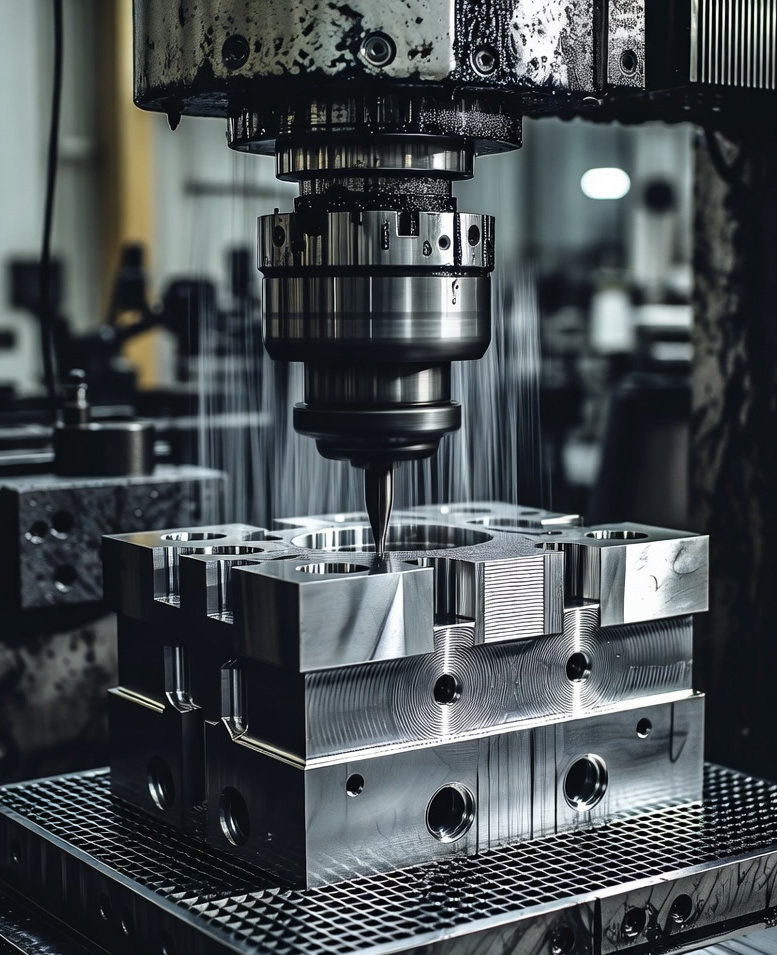
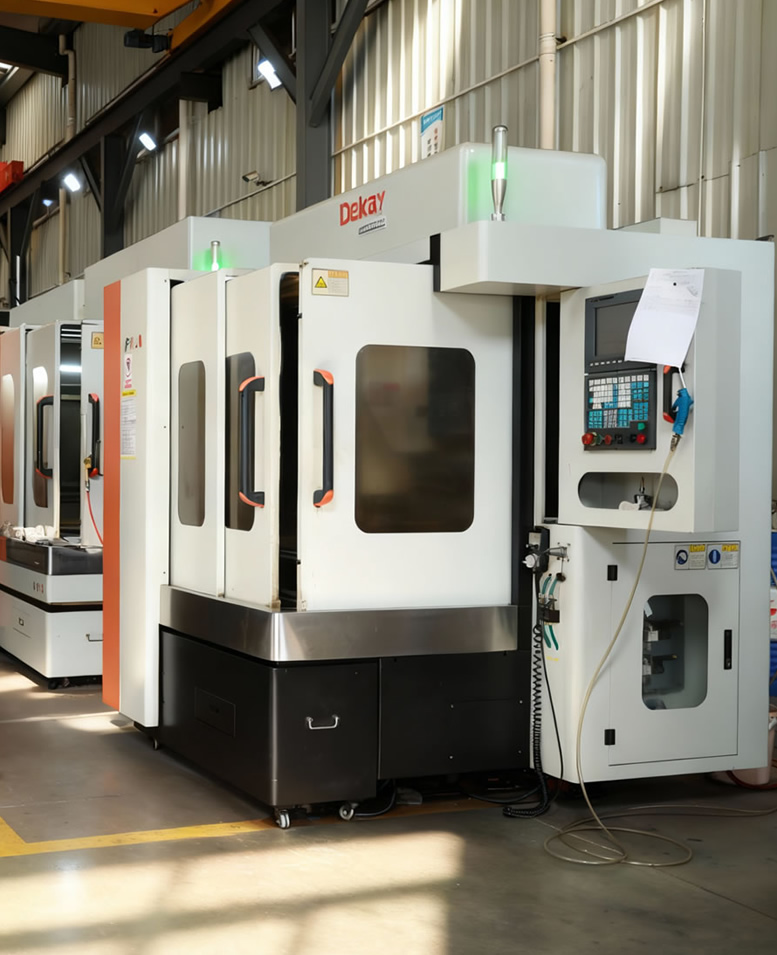
Based on the structural characteristics and safety attributes of motorcycle helmets, GP Mold implemented a series of systematic solutions from an engineering perspective: First, without altering the product's external design, a comprehensive evaluation of the helmet shell structure and molding feasibility was conducted, focusing on overall wall thickness distribution and optimizing stress-bearing areas and corner structures to reduce molding risks. Secondly, the mold structure and runner system were thoroughly optimized: gate locations were rationally planned to ensure uniform melt filling; runner and venting designs were optimized to reduce flow marks and weld lines; and overall mold rigidity was enhanced to ensure the stability of large-sized shells during the molding process. In terms of mold materials and processes, high-wear-resistant and highly stable mold steel was selected for key molding parts, combined with CNC precision machining and EDM molding technology to ensure the processing accuracy of complex curved surfaces and contours. To address the complex curved surfaces of the helmet shell and the potential for uneven cooling, the cooling system was meticulously designed. By optimizing the cooling circuits, the molding cycle was effectively shortened, and product dimensional stability was improved. Finally, through multiple rounds of mold trials and mass production verification, process parameters such as injection temperature, pressure, and cooling time were repeatedly adjusted and confirmed to ensure consistent product quality during long-term mass production.
After the project entered stable mass production, significant achievements were made in the following areas: the overall molding quality of the helmet shell remained stable, and product appearance consistency was significantly improved. Through process optimization, the uniformity of the shell wall thickness was substantially improved, further enhancing structural strength and overall reliability. The wear rate of the molds was significantly reduced, extending the maintenance cycle and ensuring the stability of long-term production. In addition, the product assembly dimensions remained stable, directly improving the assembly efficiency of the production line. Ultimately, this enabled the customer to have stronger batch delivery capabilities and faster market response times, effectively enhancing their market competitiveness.
Through our efforts, the project achieved significant results
Other cases you might be interested in
Ningbo GP Mold Co., Ltd., established in 2010, is located in Zhenhai District, N...

Ningbo GP Mold Co., Ltd., established in 2010, is located in Zhenhai District, N...
Ningbo GP Mold Co., Ltd., established in 2010, is located in Zhenhai District, N...
 GPmold