GP Mold leverages advanced mold manufacturing and high-tonnage injection molding capabilities to provide global companies with customized plastic parts solutions that are high-precision, high-strength, and highly consistent.
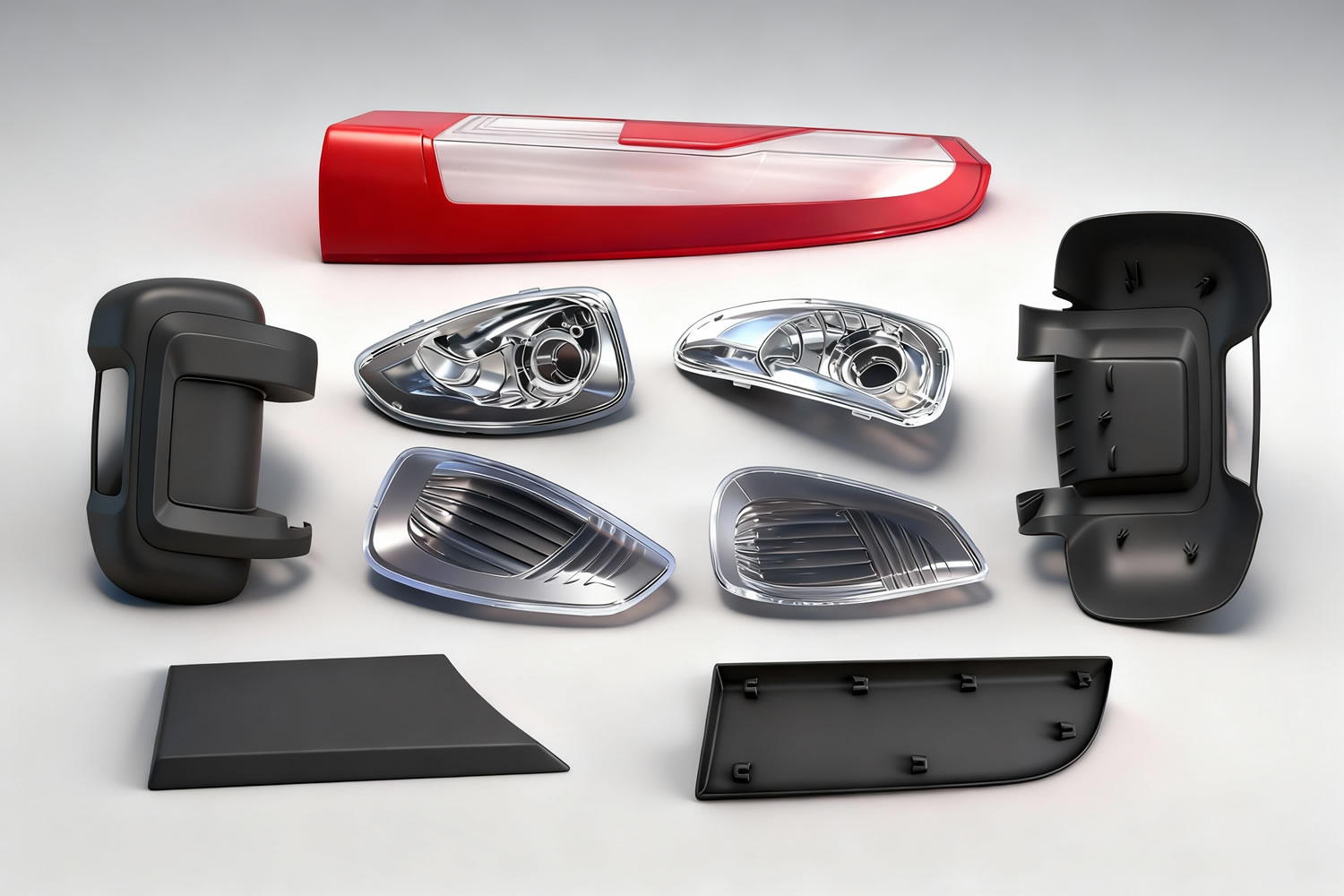
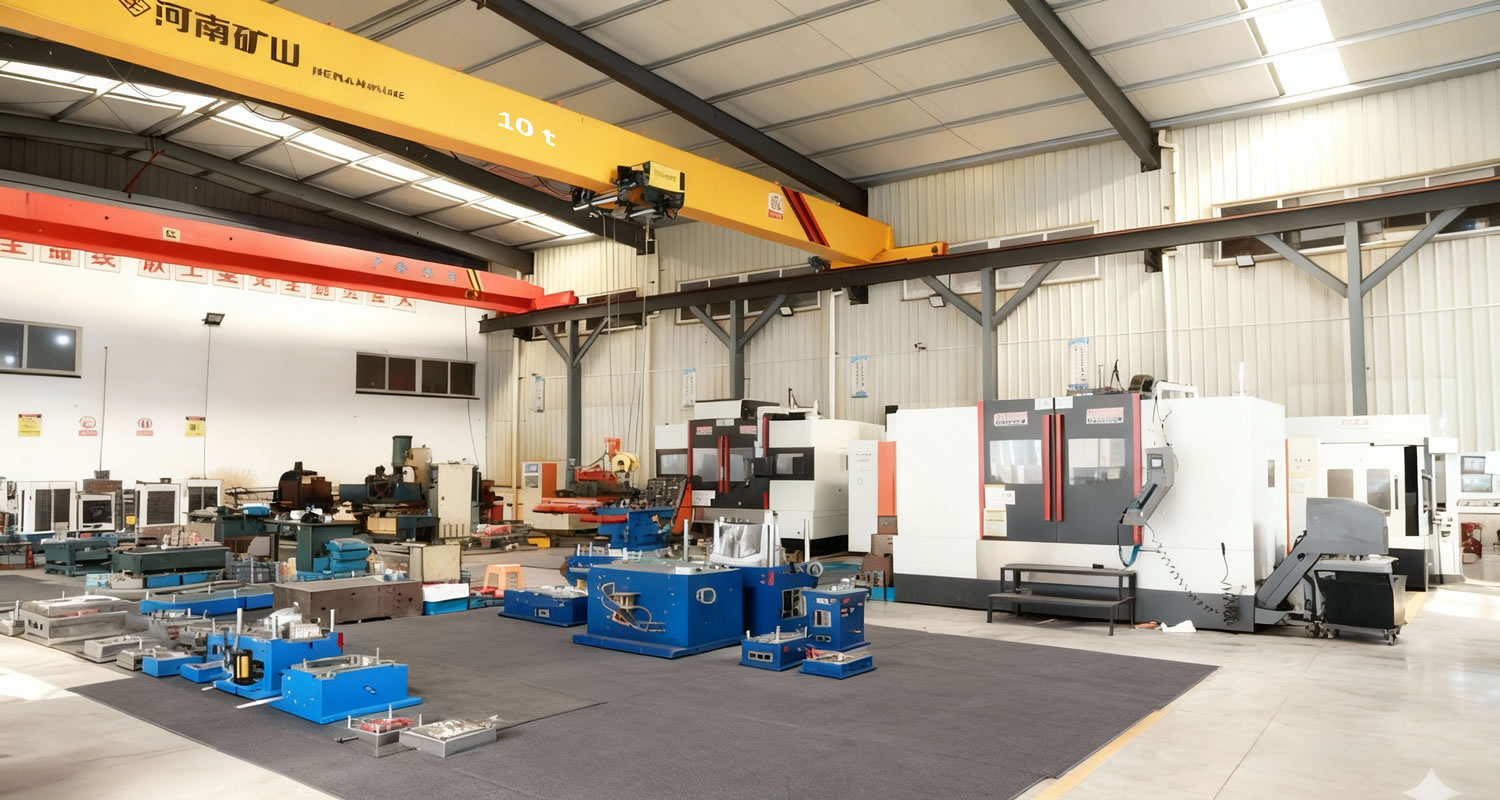
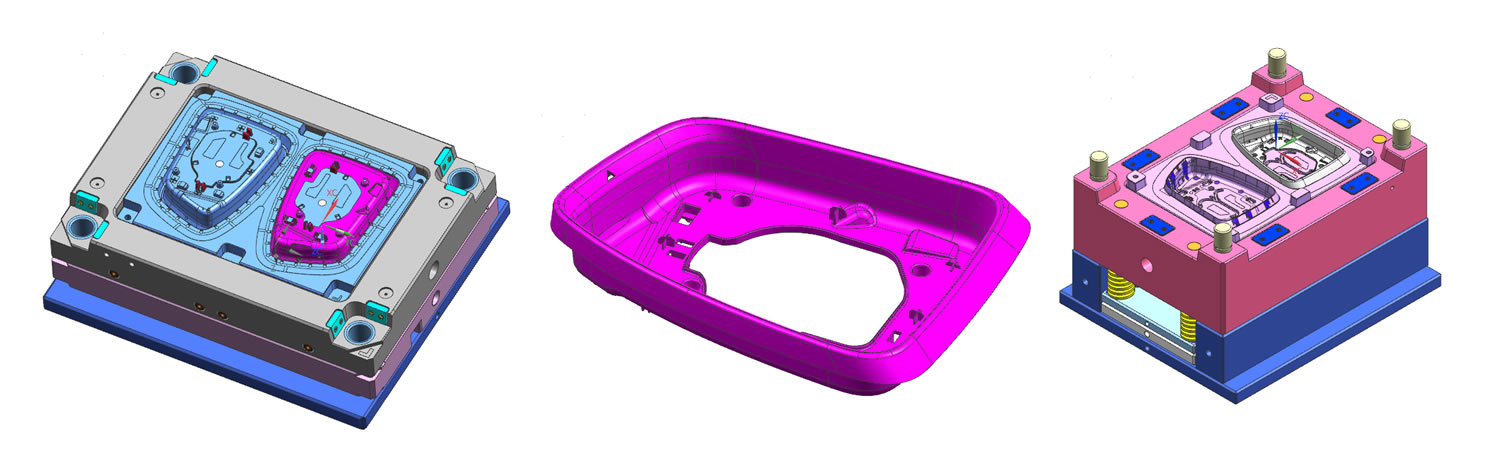
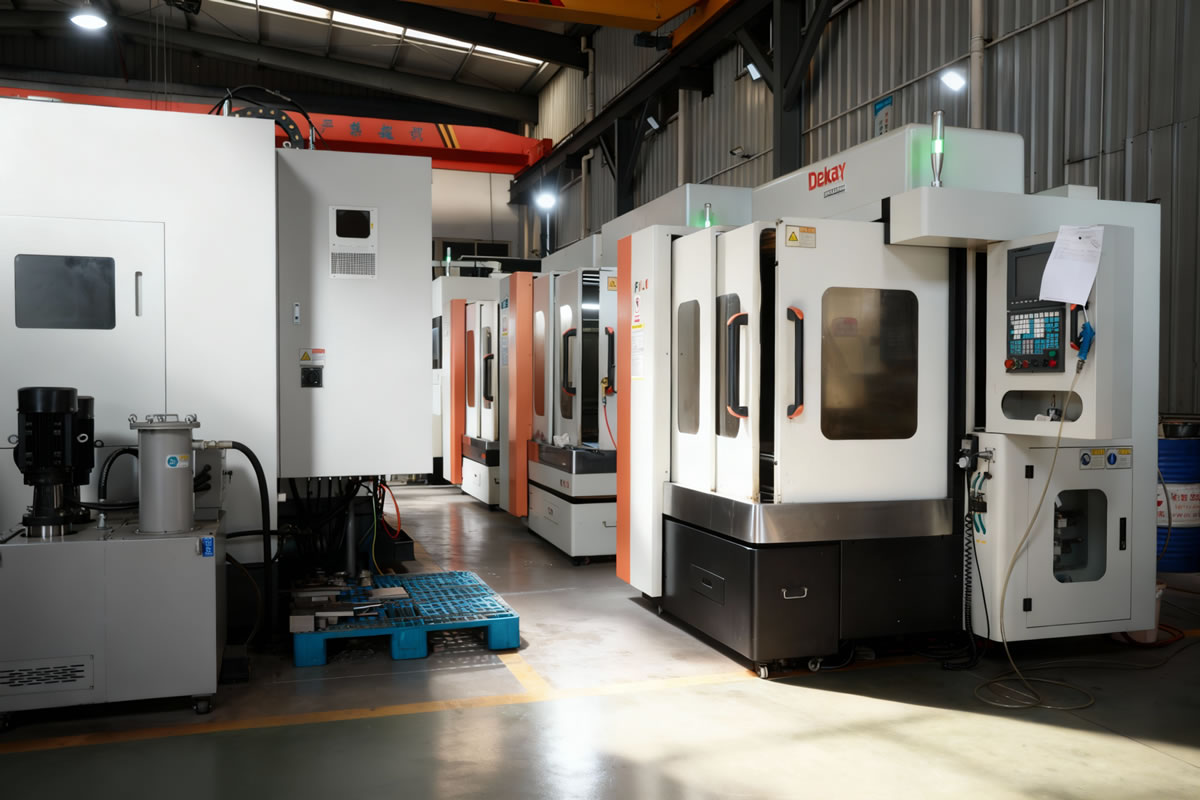
Precision, scalability and dependable quality for production and prototypes.
Tight tolerances and stable repeatability.
Rapid tooling and efficient scheduling.
ABS, PC, PP, PA, TPE and more.
Process control and full inspection.
Key messages paired with visuals to communicate capabilities.
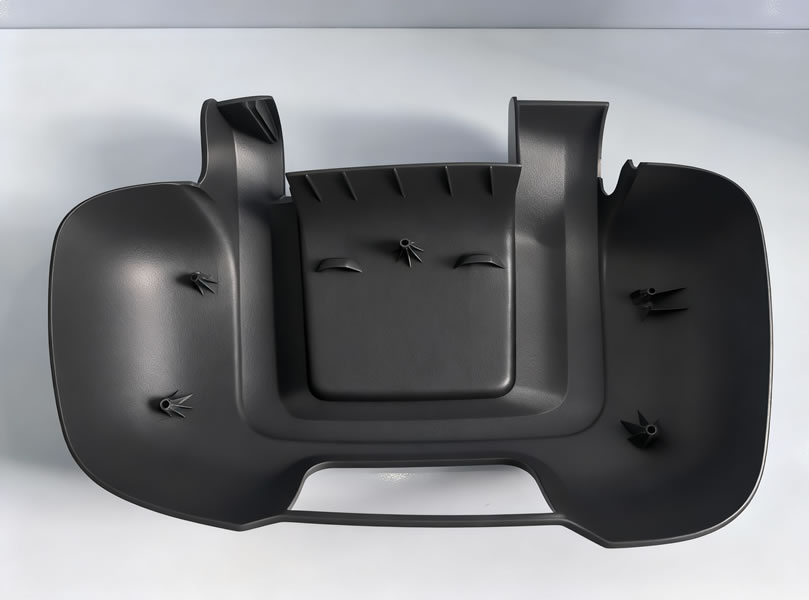
GP Mold leverages high-precision machining centers and multi-dimensional inspection systems (CMM, 3D scanning, visual inspection, T1 mold trial data acquisition) to achieve consistent control of mold cavities, cores, optical surfaces, sealing insert positioning, reflector frames, venting grooves, and parting lines. We have extensive experience in machining high-gloss headlight lenses, large bumper fascias, fiberglass-reinforced air filter housings, urea system connectors, and overmolded sealing strip molds, ensuring stable mold tolerances, uniform wall thickness, and balanced melt filling. This prevents air entrapment, burning, short shots, sink marks, warping, silver streaks, and weld line whitening, significantly improving validation speed and mass production yield.
GP Mold adopts a "one-project, one-solution" mold development strategy, providing precisely customized mold solutions based on customer product design, weatherability regulations, vibration fatigue conditions, usage scenarios, and production capacity requirements. Our engineering team is involved from the initial design stage, providing DFM optimization suggestions, focusing on UV aging resistance, low VOC emissions, uniform mold temperature (±1℃ accuracy), and thermal expansion compensation to optimize the gating system and valve gate hot runner design. We independently customize the mold structure, mold temperature control circuit, cooling plan, ejection design, and surface treatment solutions, ensuring stable scalability of the mold during trial production and mass production.
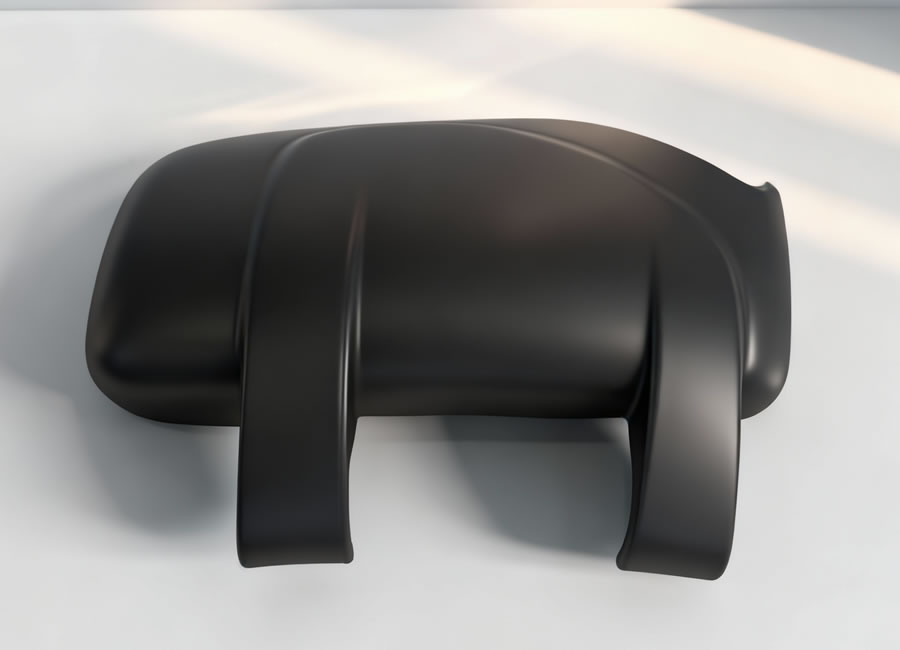
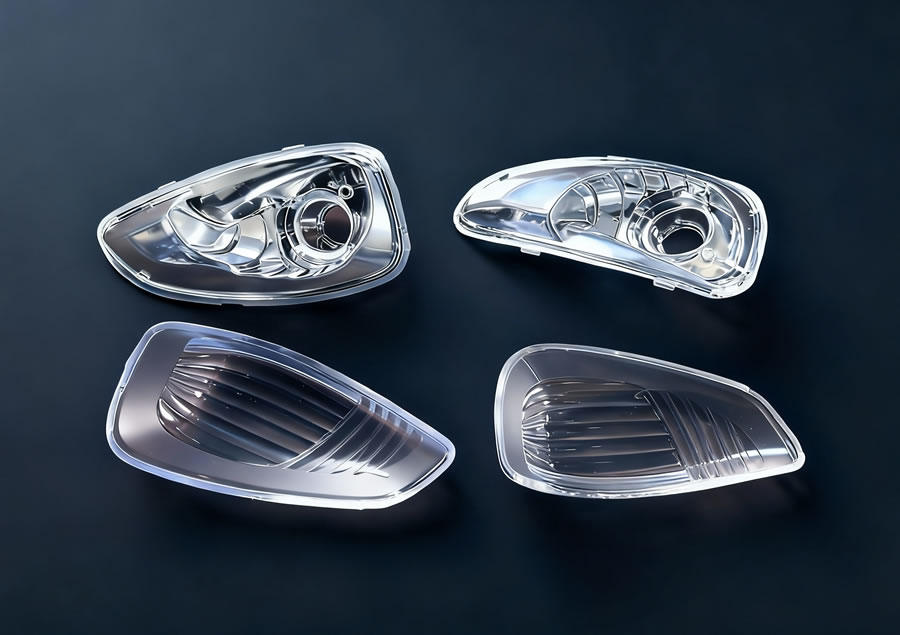
GP Mold's mold material system and heat treatment solutions significantly enhance the durability of molds in commercial vehicle parts production scenarios. Through high-hardness, corrosion-resistant, and wear-resistant steel and advanced coating processes, the molds reliably withstand high-temperature radiation cycles (120–150°C), humid and hot media erosion, millions of vibration impacts, and high-cycle mass production conditions. This reduces common failure risks such as cavity corrosion, wear, cracking, and deformation, helping customers achieve longer mold life (1 million–5 million cycles or more) and lower overall maintenance costs. Efficient Production: We ensure high-cycle production capabilities on our customers' injection molding platforms through CAE mold flow simulation (with a particular focus on vibration fatigue and corrosion resistance prediction), hot runner system design, efficient mold temperature control engineering, and beryllium copper reinforced cooling circuit optimization. Through precise planning of gate location, venting systems, and cooling systems, we shorten cooling times, improve part dimensional stability, reduce internal stress and scrap rates, thereby directly increasing customer productivity, lowering unit costs, and ensuring consistent mass production over the long term.
We optimize molding cycles through CAE mold flow simulation (with a particular focus on vibration fatigue and corrosion prediction), hot runner system design, efficient mold temperature control engineering, and beryllium copper reinforced cooling circuit optimization, ensuring high-cycle production capabilities on the customer's injection molding platform. Precise planning of gate location, venting system, and cooling system shortens cooling time, improves part dimensional stability, reduces internal stress and scrap rate, thereby directly increasing customer productivity, lowering unit costs, and ensuring long-term production consistency.
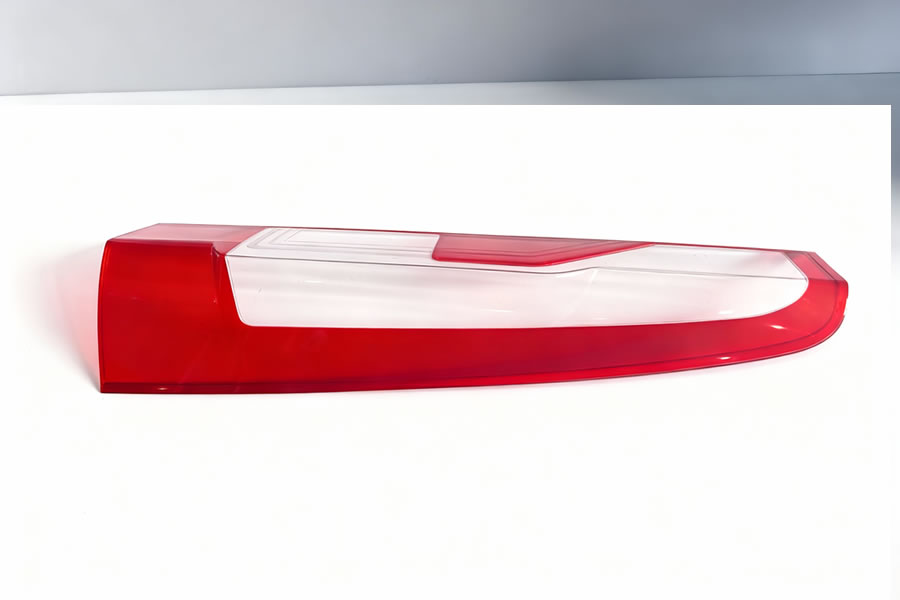
Based on ISO 9001 and IATF 16949 certification systems, GP Mold implements strict quality control and data recording at every stage, from raw material incoming inspection, mold processing, assembly and finishing, T1 mold trial verification, trial production to mass production. We conduct durability, filling, demolding, thermal stability, venting effect, and full-size functional verification (including UV aging tests, media corrosion resistance, and vibration fatigue simulation) to ensure that the molds meet global regulations and performance standards for commercial vehicle parts before formal delivery. We also support full-process traceability management and international logistics delivery capabilities for parts production.
Get a quick quote from our team today.
 GPmold